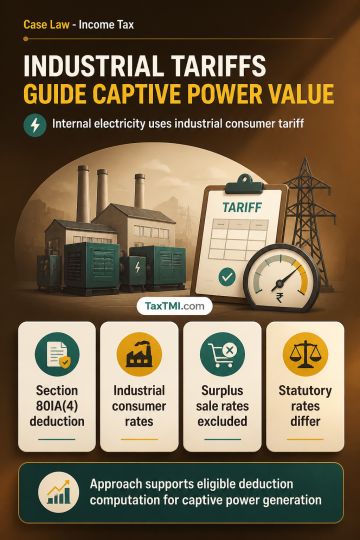
Market value for captive electricity consumption follows industrial consumer tariffs, supporting profit computation for the power generation deduction...
Provisional release of seized imports requires enhanced duty payment, bank guarantee and disclosures while customs adjudication proceeds independently...
Rule 27 permits a respondent to support the appellate order on an additional ground, and the alleged allotment breach could not justify disallowance in Assessment Year 2011-12 because the Revenue's material related to a later year. On the merits, the Revenue failed to prove breach of the beneficial housing-project deduction condition under section 80IB(10)(f): it relied mainly on a third-party statement, produced no reliable documentary evidence that the flats were really allotted to one person through nominees, and was denied effective cross-examination. The Tribunal treated the statutory condition as requiring cogent proof and sustained deletion of the disallowance; the Revenue's appeal for Assessment Year 2012-13 was rejected on the same reasoning.
Rule 27 permits a respondent to support the appellate order on an additional ground, and the alleged allotment breach could not justify disallowance in Assessment Year 2011-12 because the Revenue's material related to a later year. On the merits, the Revenue failed to prove breach of the beneficial housing-project deduction condition under section 80IB(10)(f): it relied mainly on a third-party statement, produced no reliable documentary evidence that the flats were really allotted to one person through nominees, and was denied effective cross-examination. The Tribunal treated the statutory condition as requiring cogent proof and sustained deletion of the disallowance; the Revenue's appeal for Assessment Year 2012-13 was rejected on the same reasoning.
Note: It is a system-generated summary and is for quick reference only.
 TaxTMI
 of 4798

















 Join Channel


 TaxTMI