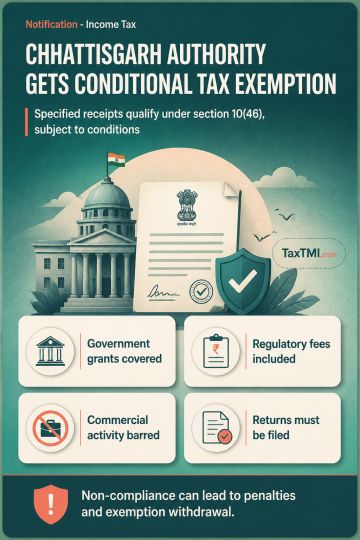
Specified regulatory authority income receives conditional tax exemption, subject to non-commercial activity, unchanged income character, and return f...
Tax exemption for regulatory authority income applies retrospectively, subject to non-commercial activity, unchanged income sources, and return-filing...
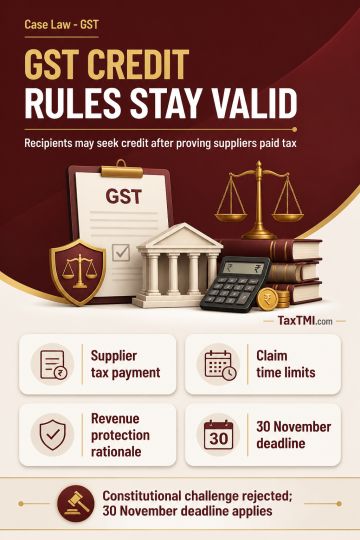
Input tax credit conditions remain constitutionally valid, with eligible recipient claims considered under GST circulars and retrospective filing dead...
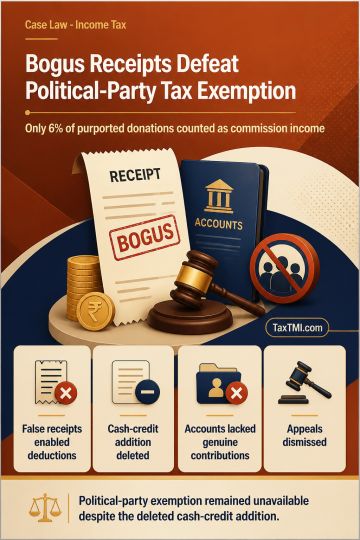
Bogus donation receipts justified commission income assessment and defeated political-party tax exemption for inaccurate accounts and reporting failur...
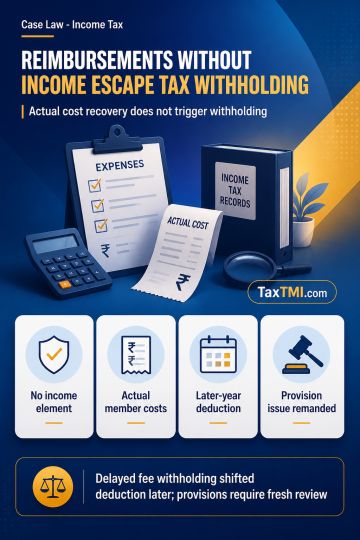
Pure reimbursement without income element escapes tax withholding, while delayed withholding and unsupported provisions face deferred or renewed scrut...
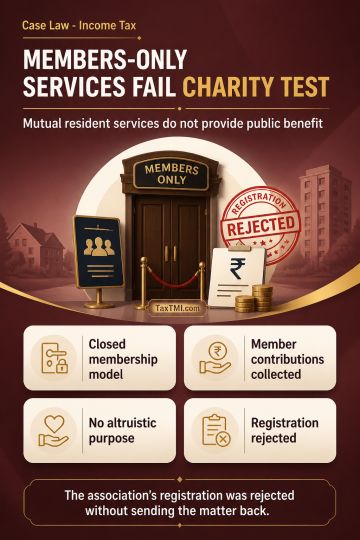
Public benefit requirement defeats charitable registration where residents' association services are reciprocal, member-only facilities governed by mu...
Valuation under the IBC must be supported by comprehensive documentation, clear reasoning, and minimum report contents to improve consistency, transparency, comparability, and value maximisation. The guidelines prescribe mandatory documentation, valuation report disclosures, and asset-specific formats for land and building, plant and machinery, and securities or financial assets. They also require registered valuers to consider defined parameters for receivables and to cooperate with the designated coordinating valuer. The coordinating valuer must integrate asset-class valuations, assess synergies and intangible assets, maintain records, and prepare a coordinating valuation report with the final fair value of the corporate debtor. The circular applies to valuations conducted after its issue.
Valuation under the IBC must be supported by comprehensive documentation, clear reasoning, and minimum report contents to improve consistency, transparency, comparability, and value maximisation. The guidelines prescribe mandatory documentation, valuation report disclosures, and asset-specific formats for land and building, plant and machinery, and securities or financial assets. They also require registered valuers to consider defined parameters for receivables and to cooperate with the designated coordinating valuer. The coordinating valuer must integrate asset-class valuations, assess synergies and intangible assets, maintain records, and prepare a coordinating valuation report with the final fair value of the corporate debtor. The circular applies to valuations conducted after its issue.
Note: It is a system-generated summary and is for quick reference only.
 TaxTMI
 of 4801





 Join Channel


 TaxTMI
