Development agreements require legal possession or effective enjoyment for capital gains transfer; permissive possession and deferred consideration de...
Prolonged sterilisation of development rights supports capital-gains treatment, while business-income disallowances cannot govern capital-gains comput...
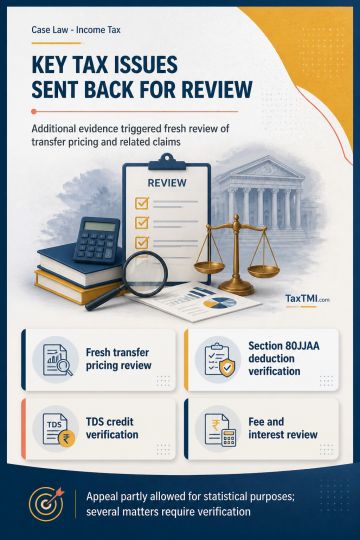
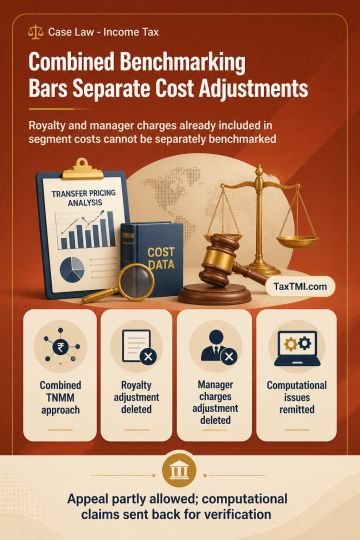
Additional evidence in transfer pricing dispute leads to fresh examination, while tax deductions, TDS credit, fee and refund interest require verifica...
Category II AIF pass-through taxation preserves non-business income character; investment receipts cannot be reclassified without applying recognised ...
Mutual fund maturity rules require proper rollover, redemption, disclosure, and due diligence; investor gains cannot excuse regulatory breaches or pen...
Section 74 GST action was upheld because the show cause notice and assessment were based on a prima facie discrepancy between the seigniorage fee-linked quantity/value and the lower value disclosed in returns, amounting to alleged suppression of outward supply. The HC held that this was sufficient foundational material for invoking the extended period of limitation, and rejected the challenge that there was no basis for Section 74 proceedings. The natural justice objection also failed because intimation notices and show cause notices had been issued and replies were filed, leaving no procedural defect warranting writ interference. The writ petitions were dismissed, with liberty to pursue the statutory appeal.
Section 74 GST action was upheld because the show cause notice and assessment were based on a prima facie discrepancy between the seigniorage fee-linked quantity/value and the lower value disclosed in returns, amounting to alleged suppression of outward supply. The HC held that this was sufficient foundational material for invoking the extended period of limitation, and rejected the challenge that there was no basis for Section 74 proceedings. The natural justice objection also failed because intimation notices and show cause notices had been issued and replies were filed, leaving no procedural defect warranting writ interference. The writ petitions were dismissed, with liberty to pursue the statutory appeal.
Note: It is a system-generated summary and is for quick reference only.
 TaxTMI
 of 4796















 Join Channel



 TaxTMI