Donor-directed corpus contributions retain capital character despite exemption claims under section 10(23C)(vi), preventing their treatment as taxable...
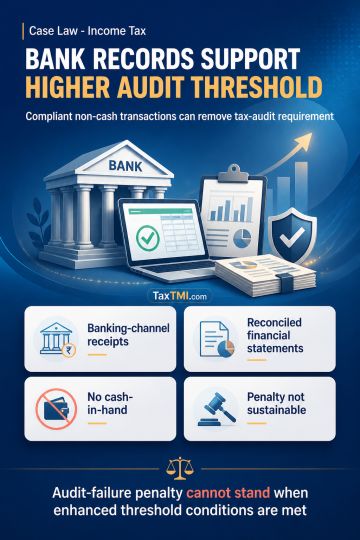
Enhanced tax-audit threshold applies where banking records establish compliant non-cash receipts and payments, eliminating penalty exposure for audit ...
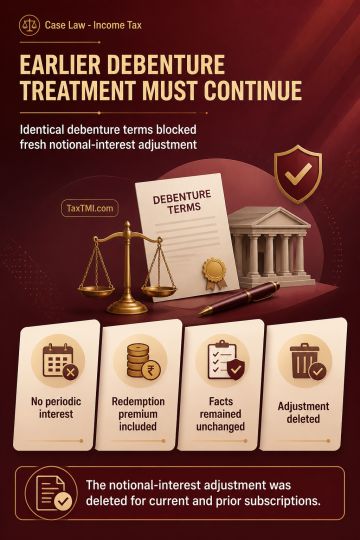
Transfer pricing consistency protects identical non-interest-bearing debenture terms from a later notional-interest adjustment without valid statutory...
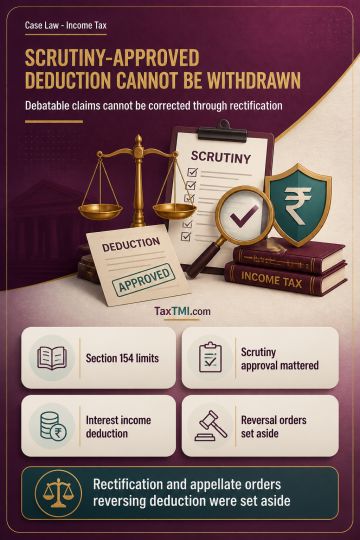
Rectification of debatable deduction claims cannot reverse scrutiny-approved co-operative society interest income deductions as apparent record errors...
Cash-method accounting bars presumptive interest taxation, while unsupported securities and share-trading additions require reliable material and veri...
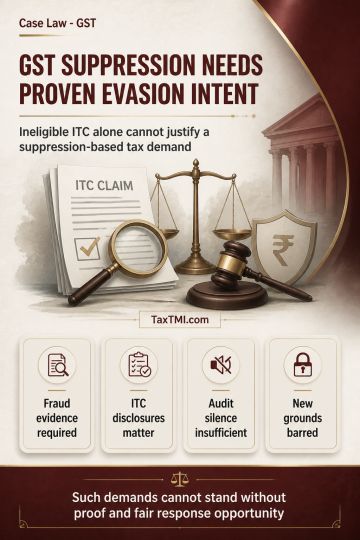
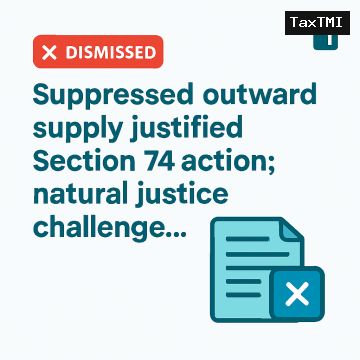
Section 74 GST action was upheld because the show cause notice and assessment were based on a prima facie discrepancy between the seigniorage fee-linked quantity/value and the lower value disclosed in returns, amounting to alleged suppression of outward supply. The HC held that this was sufficient foundational material for invoking the extended period of limitation, and rejected the challenge that there was no basis for Section 74 proceedings. The natural justice objection also failed because intimation notices and show cause notices had been issued and replies were filed, leaving no procedural defect warranting writ interference. The writ petitions were dismissed, with liberty to pursue the statutory appeal.
Section 74 GST action was upheld because the show cause notice and assessment were based on a prima facie discrepancy between the seigniorage fee-linked quantity/value and the lower value disclosed in returns, amounting to alleged suppression of outward supply. The HC held that this was sufficient foundational material for invoking the extended period of limitation, and rejected the challenge that there was no basis for Section 74 proceedings. The natural justice objection also failed because intimation notices and show cause notices had been issued and replies were filed, leaving no procedural defect warranting writ interference. The writ petitions were dismissed, with liberty to pursue the statutory appeal.
Note: It is a system-generated summary and is for quick reference only.
 TaxTMI
 of 4805














 Join Channel


 TaxTMI
