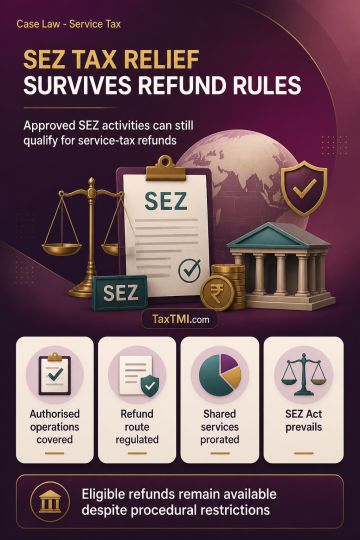
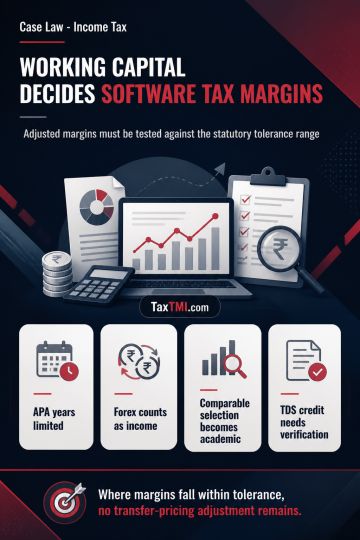
Working-capital adjustment determines whether software-services transfer-pricing margins fall within the statutory tolerance range, eliminating any ad...
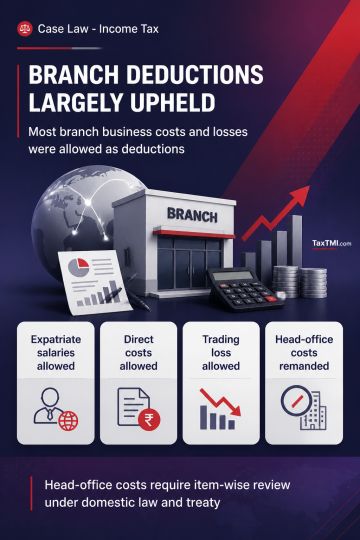
Permanent establishment deductions upheld for expatriate salaries, direct costs and trading losses, while head-office costs require fresh classificati...
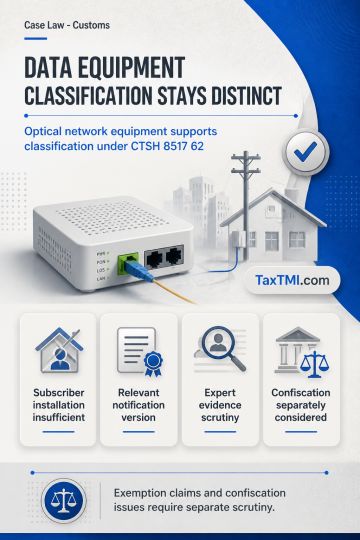
Data transmission equipment classification under CTSH 8517 62 remains distinct from residual classification, with exemption evidence requiring scrutin...
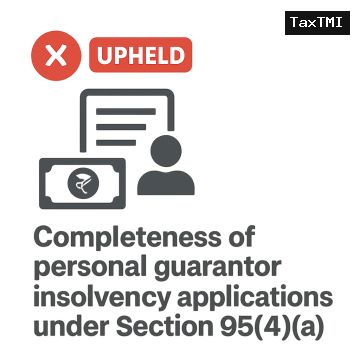
Section 95(4)(a) of the Insolvency and Bankruptcy Code was treated as a completeness requirement for personal guarantor insolvency applications, not a rigid jurisdictional bar. Where liability was admitted through guarantee deeds, compromise terms and earlier judicial proceedings, the Appellate Tribunal held that the statutory purpose of disclosing debt was already satisfied and no further elaborate narration was necessary. A procedural objection about inadequate particulars, raised for the first time in appeal, was rejected because it involved mixed questions of fact and law and had not been urged before the Adjudicating Authority. The admission of the section 95 applications was accordingly upheld.
Section 95(4)(a) of the Insolvency and Bankruptcy Code was treated as a completeness requirement for personal guarantor insolvency applications, not a rigid jurisdictional bar. Where liability was admitted through guarantee deeds, compromise terms and earlier judicial proceedings, the Appellate Tribunal held that the statutory purpose of disclosing debt was already satisfied and no further elaborate narration was necessary. A procedural objection about inadequate particulars, raised for the first time in appeal, was rejected because it involved mixed questions of fact and law and had not been urged before the Adjudicating Authority. The admission of the section 95 applications was accordingly upheld.
Note: It is a system-generated summary and is for quick reference only.
 TaxTMI
 of 4800








 Join Channel


 TaxTMI