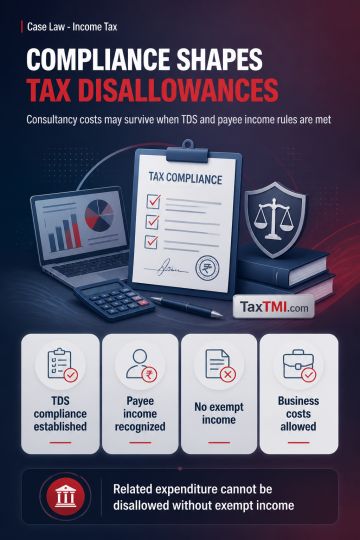
Tax deduction compliance and payee income recognition govern consultancy disallowance, while no exempt income prevents related expenditure disallowanc...
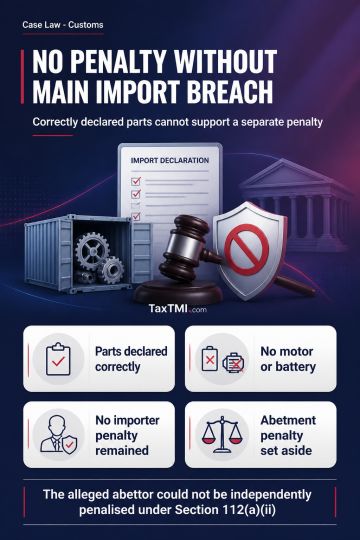
Derivative abetment liability fails when correctly declared imported components establish no underlying improper importation by the principal importer...
Tax exemption for regulatory authority income applies retrospectively, subject to non-commercial activity, unchanged income sources, and return filing...
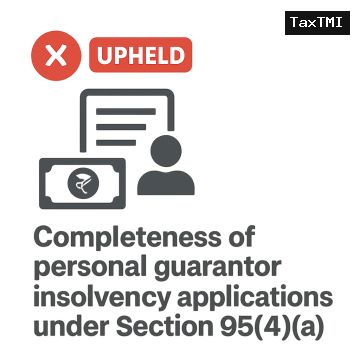
Section 95(4)(a) of the Insolvency and Bankruptcy Code was treated as a completeness requirement for personal guarantor insolvency applications, not a rigid jurisdictional bar. Where liability was admitted through guarantee deeds, compromise terms and earlier judicial proceedings, the Appellate Tribunal held that the statutory purpose of disclosing debt was already satisfied and no further elaborate narration was necessary. A procedural objection about inadequate particulars, raised for the first time in appeal, was rejected because it involved mixed questions of fact and law and had not been urged before the Adjudicating Authority. The admission of the section 95 applications was accordingly upheld.
Section 95(4)(a) of the Insolvency and Bankruptcy Code was treated as a completeness requirement for personal guarantor insolvency applications, not a rigid jurisdictional bar. Where liability was admitted through guarantee deeds, compromise terms and earlier judicial proceedings, the Appellate Tribunal held that the statutory purpose of disclosing debt was already satisfied and no further elaborate narration was necessary. A procedural objection about inadequate particulars, raised for the first time in appeal, was rejected because it involved mixed questions of fact and law and had not been urged before the Adjudicating Authority. The admission of the section 95 applications was accordingly upheld.
Note: It is a system-generated summary and is for quick reference only.
 TaxTMI
 of 4803









 Join Channel


 TaxTMI