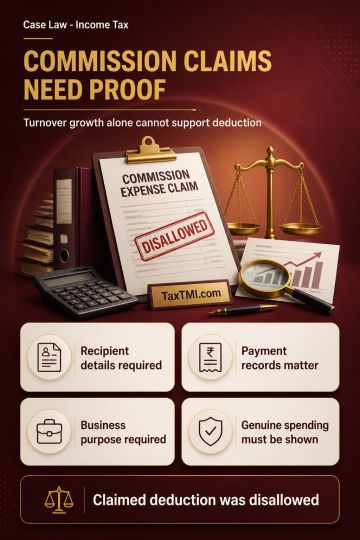
Business expenditure deduction requires proof of genuine commission payments and commercial allowability; turnover growth alone cannot validate the cl...
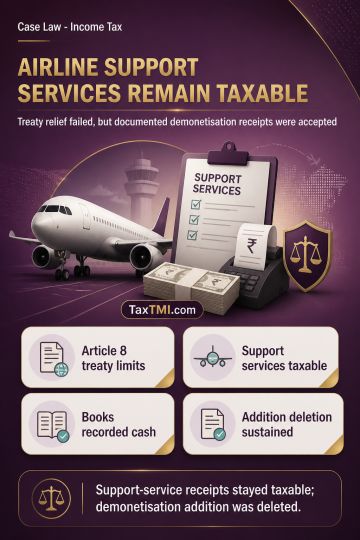
Article 8 treaty coverage excluded third-party airline support services, while documented demonetisation cash receipts remained accepted business inco...
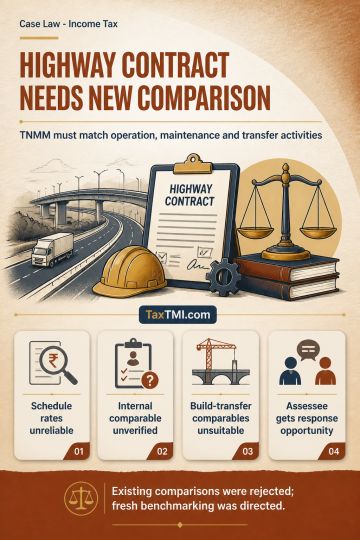
Functional comparability under TNMM requires highway contract benchmarks to reflect operation, maintenance and transfer activities, requiring fresh be...
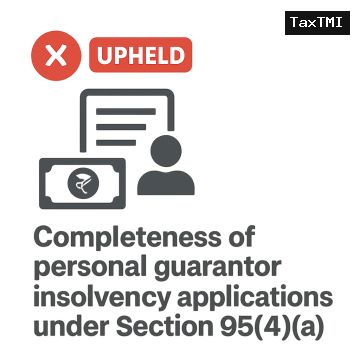
Section 95(4)(a) of the Insolvency and Bankruptcy Code was treated as a completeness requirement for personal guarantor insolvency applications, not a rigid jurisdictional bar. Where liability was admitted through guarantee deeds, compromise terms and earlier judicial proceedings, the Appellate Tribunal held that the statutory purpose of disclosing debt was already satisfied and no further elaborate narration was necessary. A procedural objection about inadequate particulars, raised for the first time in appeal, was rejected because it involved mixed questions of fact and law and had not been urged before the Adjudicating Authority. The admission of the section 95 applications was accordingly upheld.
Section 95(4)(a) of the Insolvency and Bankruptcy Code was treated as a completeness requirement for personal guarantor insolvency applications, not a rigid jurisdictional bar. Where liability was admitted through guarantee deeds, compromise terms and earlier judicial proceedings, the Appellate Tribunal held that the statutory purpose of disclosing debt was already satisfied and no further elaborate narration was necessary. A procedural objection about inadequate particulars, raised for the first time in appeal, was rejected because it involved mixed questions of fact and law and had not been urged before the Adjudicating Authority. The admission of the section 95 applications was accordingly upheld.
Note: It is a system-generated summary and is for quick reference only.
 TaxTMI
 of 4803





 Join Channel


 TaxTMI