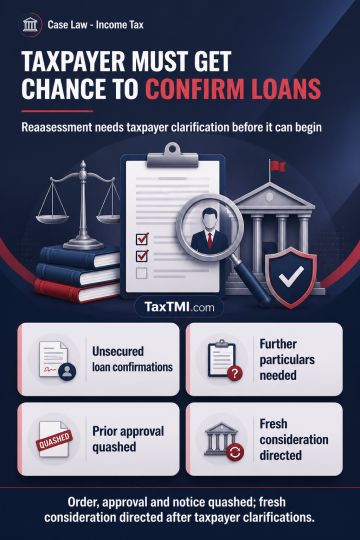
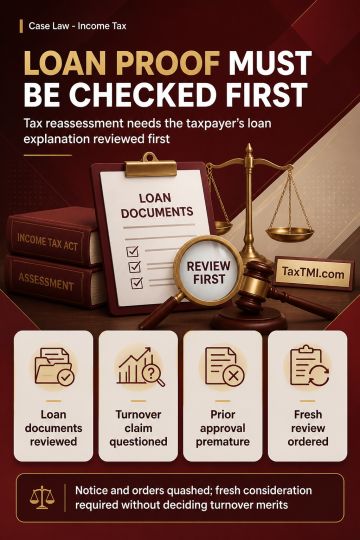
Opportunity to furnish unsecured-loan confirmations is required before reassessment initiation; proceedings require fresh consideration after taxpayer...
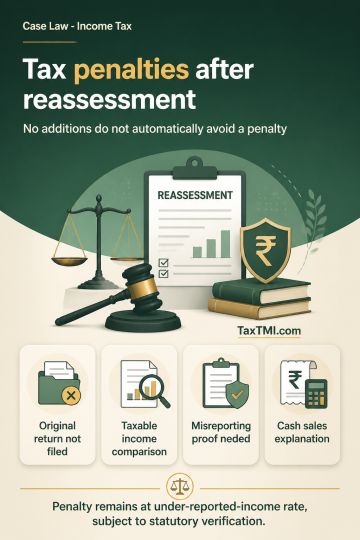
Under-reporting on a first reassessment return attracts penalty, while enhanced misreporting penalty requires proof of a statutory misreporting catego...
Writ jurisdiction may extend to a private bank when it acts as an Authorised Dealer under the FEMA-RBI framework and its refusal to process foreign exchange transactions is challenged as arbitrary. The article notes that contractual banking dealings do not exclude judicial review where a public law element exists, and that a clean-hands objection based on alleged suppression will not automatically bar a petition if the disputed facts are part of the main controversy. It also explains that the bank could require enhanced due diligence and refuse processing when later material raised sanctions-related concerns, with the writ court declining to reappreciate disputed commercial facts and no interference being made under Article 226.
Writ jurisdiction may extend to a private bank when it acts as an Authorised Dealer under the FEMA-RBI framework and its refusal to process foreign exchange transactions is challenged as arbitrary. The article notes that contractual banking dealings do not exclude judicial review where a public law element exists, and that a clean-hands objection based on alleged suppression will not automatically bar a petition if the disputed facts are part of the main controversy. It also explains that the bank could require enhanced due diligence and refuse processing when later material raised sanctions-related concerns, with the writ court declining to reappreciate disputed commercial facts and no interference being made under Article 226.
Note: It is a system-generated summary and is for quick reference only.
 TaxTMI
  TaxTMI
 of 4915