Jurisdictional facts in certificate-of-origin discrepancies can support customs show-cause proceedings, leaving factual explanations for departmental ...
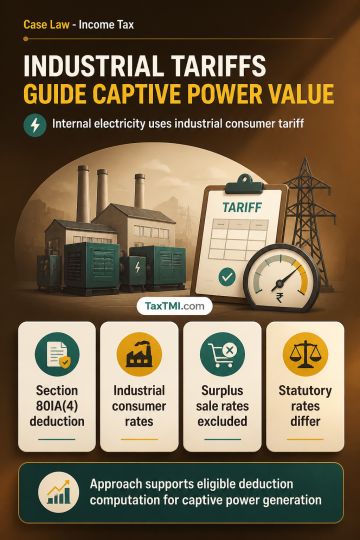
Market value for captive electricity consumption follows industrial consumer tariffs, supporting profit computation for the power generation deduction...
The statutory right of appeal is order-specific: an assessee may challenge only the order that creates a grievance, and an intimation under section 143(1) and an assessment under section 143(3) operate independently. Where the later assessment merely accepts the income already determined under section 143(1) and makes no fresh addition or other adverse variation, no grievance arises from that assessment order and no appeal lies against it. The Tribunal rejected the doctrine of merger, holding that a challenge to adjustments made under section 143(1) must be taken against that order itself, not indirectly through an appeal against the later assessment. The dismissal of the appeal was therefore upheld.
The statutory right of appeal is order-specific: an assessee may challenge only the order that creates a grievance, and an intimation under section 143(1) and an assessment under section 143(3) operate independently. Where the later assessment merely accepts the income already determined under section 143(1) and makes no fresh addition or other adverse variation, no grievance arises from that assessment order and no appeal lies against it. The Tribunal rejected the doctrine of merger, holding that a challenge to adjustments made under section 143(1) must be taken against that order itself, not indirectly through an appeal against the later assessment. The dismissal of the appeal was therefore upheld.
Note: It is a system-generated summary and is for quick reference only.
 TaxTMI
 of 4800
















 Join Channel



 TaxTMI