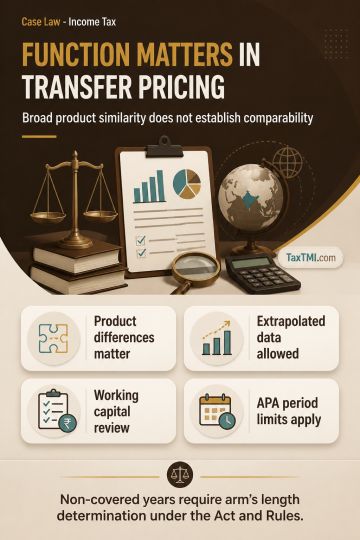
Transfer pricing comparability requires functional alignment and permits working capital adjustment, while APA margins cannot govern non-covered years...
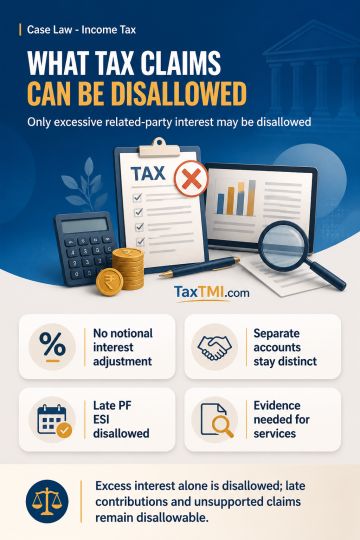
Treaty benefit, goodwill depreciation and hedging costs: export commission disallowed, while key business deductions and depreciation claims succeeded...
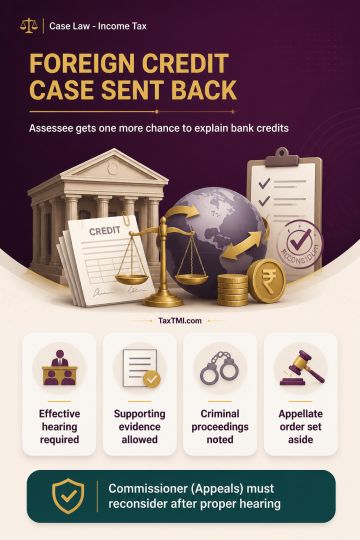
Undisclosed foreign asset classification requires an unexplained source; unrebutted affidavits and corroborative evidence defeated the Black Money Act...
The statutory right of appeal is order-specific: an assessee may challenge only the order that creates a grievance, and an intimation under section 143(1) and an assessment under section 143(3) operate independently. Where the later assessment merely accepts the income already determined under section 143(1) and makes no fresh addition or other adverse variation, no grievance arises from that assessment order and no appeal lies against it. The Tribunal rejected the doctrine of merger, holding that a challenge to adjustments made under section 143(1) must be taken against that order itself, not indirectly through an appeal against the later assessment. The dismissal of the appeal was therefore upheld.
The statutory right of appeal is order-specific: an assessee may challenge only the order that creates a grievance, and an intimation under section 143(1) and an assessment under section 143(3) operate independently. Where the later assessment merely accepts the income already determined under section 143(1) and makes no fresh addition or other adverse variation, no grievance arises from that assessment order and no appeal lies against it. The Tribunal rejected the doctrine of merger, holding that a challenge to adjustments made under section 143(1) must be taken against that order itself, not indirectly through an appeal against the later assessment. The dismissal of the appeal was therefore upheld.
Note: It is a system-generated summary and is for quick reference only.
 TaxTMI
 of 4801

















 Join Channel



 TaxTMI