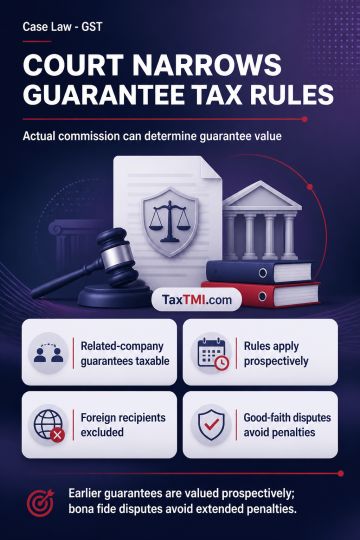
Corporate guarantee valuation permits actual ascertainable commission while barring retroactive application and extended-period penalties for bona fid...
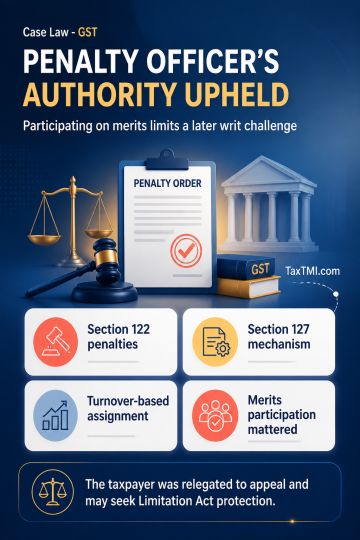
Proper-officer jurisdiction under UPGST penalty provisions upheld; participation on merits prevents bypassing the statutory appellate remedy through w...
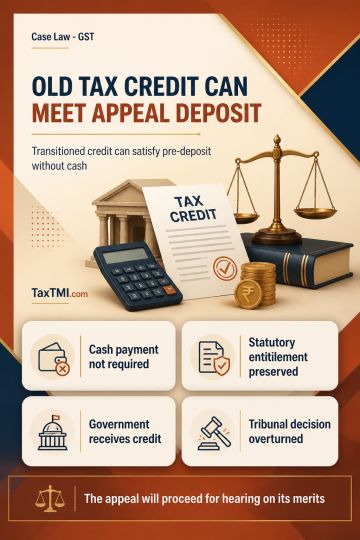
Transitioned CENVAT credit may validly satisfy mandatory pre-deposit requirements for legacy service tax appeals through Electronic Credit Ledger debi...
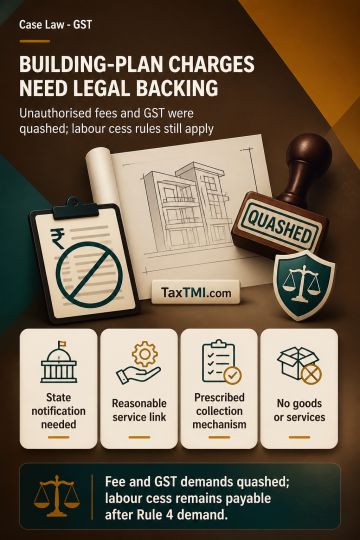
Building-plan sanction charges require statutory authority; unauthorised fees and GST were quashed, while labour cess must follow prescribed collectio...
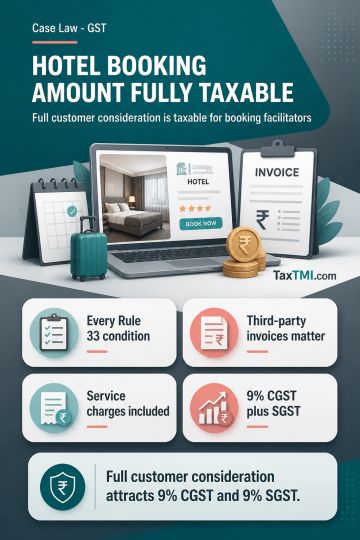
Pure-agent exclusion fails where hotel booking facilitators receive third-party services themselves, making entire customer consideration taxable as r...
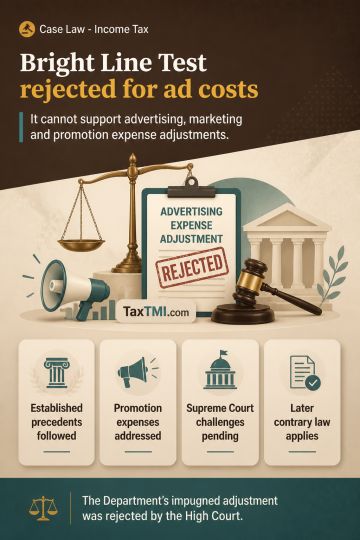
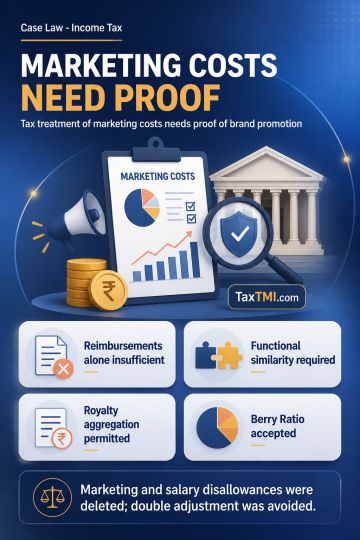
Transfer pricing requires evidence for AMP transactions, functionally reliable comparables, and appropriate aggregation or Berry Ratio benchmarking me...
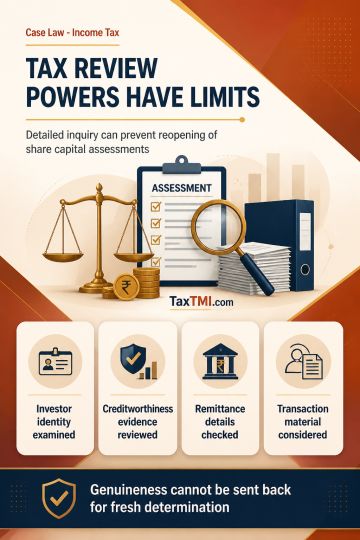
Revisionary jurisdiction cannot reopen share capital assessments where adequate inquiry supports a permissible view and no independent error is establ...
Page of 4805
Press 'Enter' after typing page number.
221 to 240 of 96092 Results
❮
❯
❯❯
0 / 200
Expand Note
Add to Folder
No Folders have been created
+
Are you sure you want to delete "My most important" ?
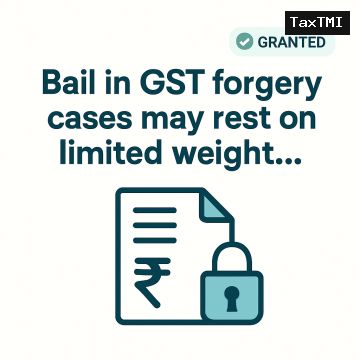
In GST-related forgery and cheating allegations, the Court treated confessional statements and statements of co-accused as weaker material at the bail stage than witness statements. Because the applicants were implicated only on their alleged confessional statement and co-accused statements, and the charge-sheet had already been filed in offences triable by a Magistrate, the Court found the material insufficient to deny bail. It considered the nature of the accusation, the record, the severity of punishment, and the filed material, and granted bail to both applicants subject to conditions.
In GST-related forgery and cheating allegations, the Court treated confessional statements and statements of co-accused as weaker material at the bail stage than witness statements. Because the applicants were implicated only on their alleged confessional statement and co-accused statements, and the charge-sheet had already been filed in offences triable by a Magistrate, the Court found the material insufficient to deny bail. It considered the nature of the accusation, the record, the severity of punishment, and the filed material, and granted bail to both applicants subject to conditions.
Note: It is a system-generated summary and is for quick reference only.
 TaxTMI
 of 4805




 Join Channel


 TaxTMI