Composite inpatient healthcare supply may retain exemption despite MRP medicine billing, while separate taxable sale characterisation remains disputed...
Working-capital adjustment determines whether software-services transfer-pricing margins fall within the statutory tolerance range, eliminating any ad...
Permanent establishment deductions upheld for expatriate salaries, direct costs and trading losses, while head-office costs require fresh classificati...
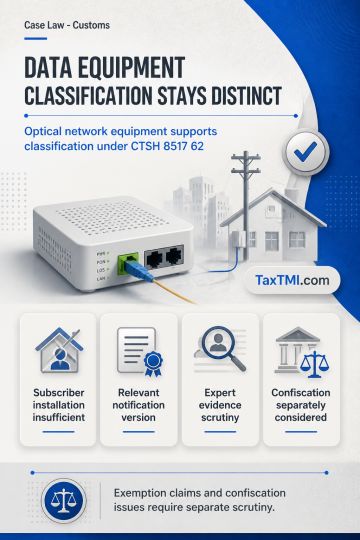
Data transmission equipment classification under CTSH 8517 62 remains distinct from residual classification, with exemption evidence requiring scrutin...
A trust's publication and natural dyeing activities did not negate approval where they were intrinsically linked to its objects of livelihood, skill development, training and employment for disadvantaged rural women, artisans and marginalised communities. The Tribunal held that generation of receipts alone did not show a profit motive, especially where expenditure on wages was substantial and income did not exceed expenditure in some years. It also noted the trust's genuineness, existing registration and absence of any diversion of funds or private benefit. The rejection of approval under section 80G(5) was set aside and approval was directed to be granted.
A trust's publication and natural dyeing activities did not negate approval where they were intrinsically linked to its objects of livelihood, skill development, training and employment for disadvantaged rural women, artisans and marginalised communities. The Tribunal held that generation of receipts alone did not show a profit motive, especially where expenditure on wages was substantial and income did not exceed expenditure in some years. It also noted the trust's genuineness, existing registration and absence of any diversion of funds or private benefit. The rejection of approval under section 80G(5) was set aside and approval was directed to be granted.
Note: It is a system-generated summary and is for quick reference only.
 TaxTMI
 of 4803















 Join Channel



 TaxTMI
