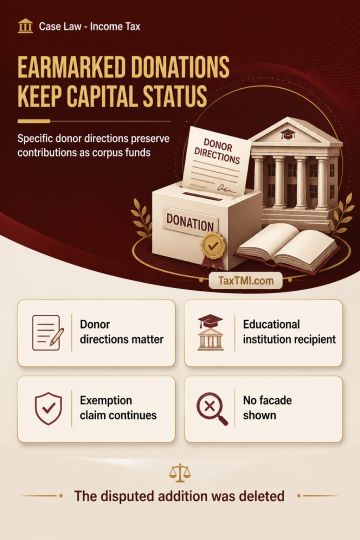
Donor-directed corpus contributions retain capital character despite exemption claims under section 10(23C)(vi), preventing their treatment as taxable...
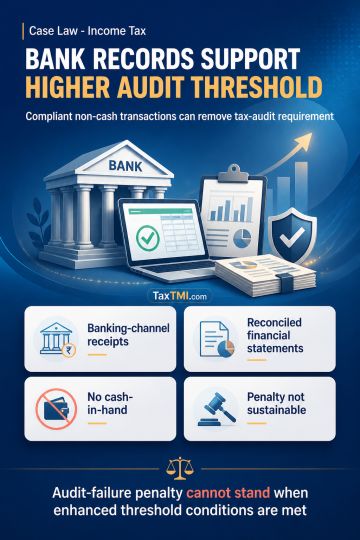
Enhanced tax-audit threshold applies where banking records establish compliant non-cash receipts and payments, eliminating penalty exposure for audit ...
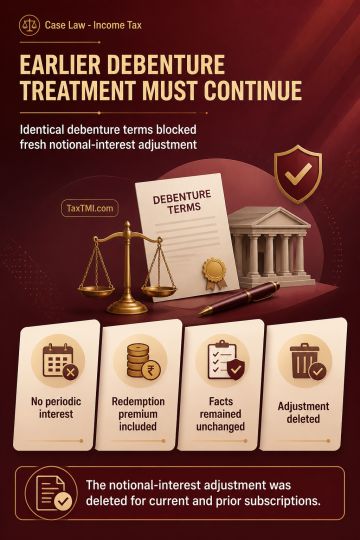
Transfer pricing consistency protects identical non-interest-bearing debenture terms from a later notional-interest adjustment without valid statutory...
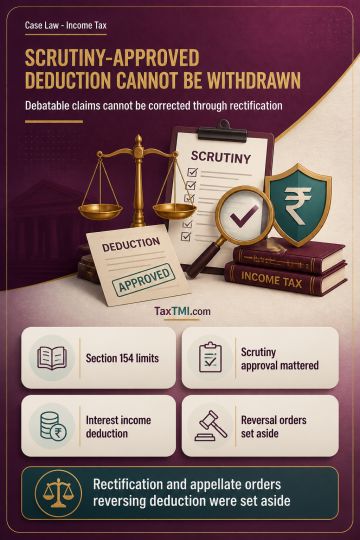
Rectification of debatable deduction claims cannot reverse scrutiny-approved co-operative society interest income deductions as apparent record errors...
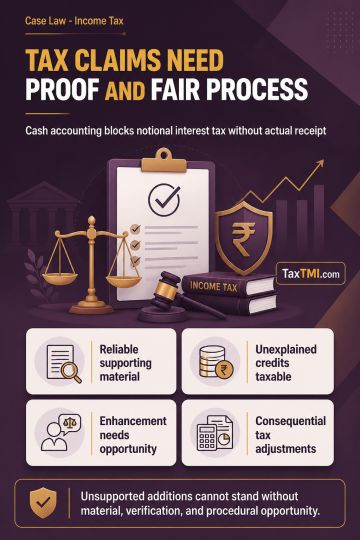
Cash-method accounting bars presumptive interest taxation, while unsupported securities and share-trading additions require reliable material and veri...
Limitation under the Insolvency and Bankruptcy Code is strict, time-bound and jurisdictional: an appeal must be filed in defect-free form within the statutory outer limit, and a defective presentation cannot be perfected at leisure. The procedural period for removing defects or seeking condonation of re-filing delay under the Supreme Court Rules cannot override the Code's timeline. Once the outer limit and the defect-cure period are both exhausted, the right of appeal stands extinguished and no condonation survives. The plea for a liberal approach, including the appellant's status as liquidator and reliance on Article 142, was rejected, and sufficient cause was not shown in any event.
Limitation under the Insolvency and Bankruptcy Code is strict, time-bound and jurisdictional: an appeal must be filed in defect-free form within the statutory outer limit, and a defective presentation cannot be perfected at leisure. The procedural period for removing defects or seeking condonation of re-filing delay under the Supreme Court Rules cannot override the Code's timeline. Once the outer limit and the defect-cure period are both exhausted, the right of appeal stands extinguished and no condonation survives. The plea for a liberal approach, including the appellant's status as liquidator and reliance on Article 142, was rejected, and sufficient cause was not shown in any event.
Note: It is a system-generated summary and is for quick reference only.
 TaxTMI
 of 4807





 Join Channel


 TaxTMI