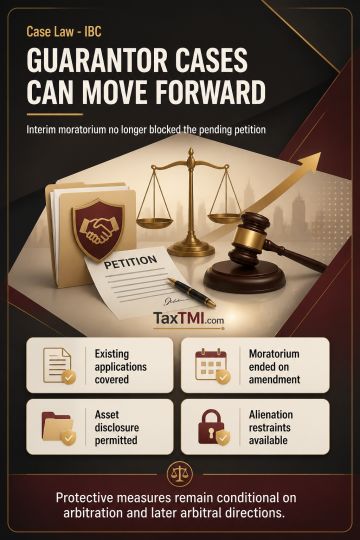
Retroactive interim-moratorium exclusion permits protective asset disclosure and preservation measures against personal guarantors pending arbitration...
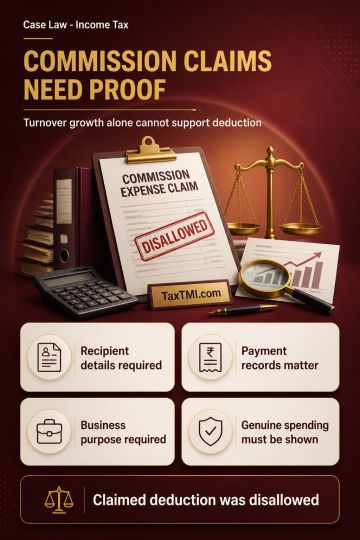
Business expenditure deduction requires proof of genuine commission payments and commercial allowability; turnover growth alone cannot validate the cl...
Limitation under the Insolvency and Bankruptcy Code is strict, time-bound and jurisdictional: an appeal must be filed in defect-free form within the statutory outer limit, and a defective presentation cannot be perfected at leisure. The procedural period for removing defects or seeking condonation of re-filing delay under the Supreme Court Rules cannot override the Code's timeline. Once the outer limit and the defect-cure period are both exhausted, the right of appeal stands extinguished and no condonation survives. The plea for a liberal approach, including the appellant's status as liquidator and reliance on Article 142, was rejected, and sufficient cause was not shown in any event.
Limitation under the Insolvency and Bankruptcy Code is strict, time-bound and jurisdictional: an appeal must be filed in defect-free form within the statutory outer limit, and a defective presentation cannot be perfected at leisure. The procedural period for removing defects or seeking condonation of re-filing delay under the Supreme Court Rules cannot override the Code's timeline. Once the outer limit and the defect-cure period are both exhausted, the right of appeal stands extinguished and no condonation survives. The plea for a liberal approach, including the appellant's status as liquidator and reliance on Article 142, was rejected, and sufficient cause was not shown in any event.
Note: It is a system-generated summary and is for quick reference only.
 TaxTMI
 of 4805








 Join Channel


 TaxTMI
