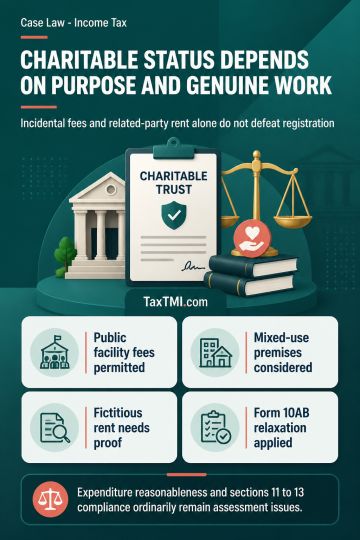
Charitable registration turns on predominant purpose and genuine activities, while incidental fees and related-party rent require supporting adverse m...
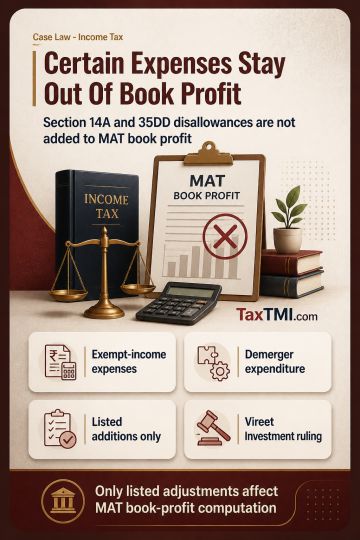
MAT book-profit adjustments exclude disallowances for exempt-income expenditure and demerger expenditure unless expressly listed under the statutory c...
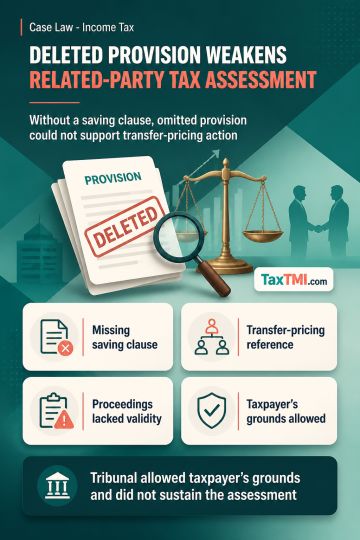
Omitted specified domestic transaction provision invalidates related-party expenditure transfer-pricing references and assessments based on consequent...
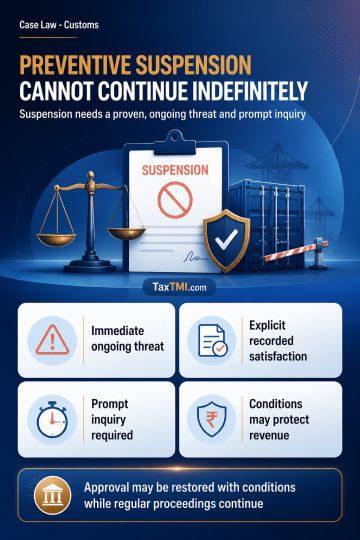
Preventive suspension requires an immediate continuing threat and cannot become indefinite without inquiry, fresh evidence, or proportionate safeguard...
Page of 4805
Press 'Enter' after typing page number.
361 to 380 of 96100 Results
❮
❯
❯❯
0 / 200
Expand Note
Add to Folder
No Folders have been created
+
Are you sure you want to delete "My most important" ?
Limitation under the Insolvency and Bankruptcy Code is strict, time-bound and jurisdictional: an appeal must be filed in defect-free form within the statutory outer limit, and a defective presentation cannot be perfected at leisure. The procedural period for removing defects or seeking condonation of re-filing delay under the Supreme Court Rules cannot override the Code's timeline. Once the outer limit and the defect-cure period are both exhausted, the right of appeal stands extinguished and no condonation survives. The plea for a liberal approach, including the appellant's status as liquidator and reliance on Article 142, was rejected, and sufficient cause was not shown in any event.
Limitation under the Insolvency and Bankruptcy Code is strict, time-bound and jurisdictional: an appeal must be filed in defect-free form within the statutory outer limit, and a defective presentation cannot be perfected at leisure. The procedural period for removing defects or seeking condonation of re-filing delay under the Supreme Court Rules cannot override the Code's timeline. Once the outer limit and the defect-cure period are both exhausted, the right of appeal stands extinguished and no condonation survives. The plea for a liberal approach, including the appellant's status as liquidator and reliance on Article 142, was rejected, and sufficient cause was not shown in any event.
Note: It is a system-generated summary and is for quick reference only.
 TaxTMI
 of 4805






 Join Channel


 TaxTMI