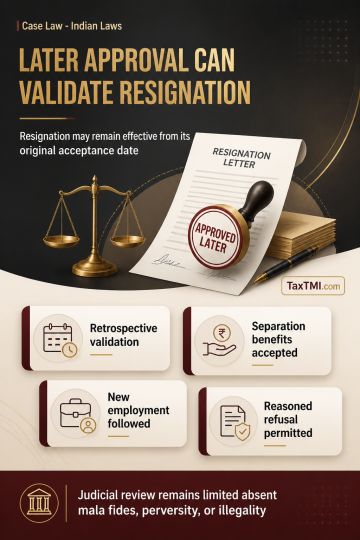
Ratification of resignation acceptance validates separation retrospectively, while withdrawal may be refused through reasoned administrative discretio...
Nature-dependent electricity contracts receive new Ind AS accounting, hedge designation, transition and financial-statement disclosure requirements fr...
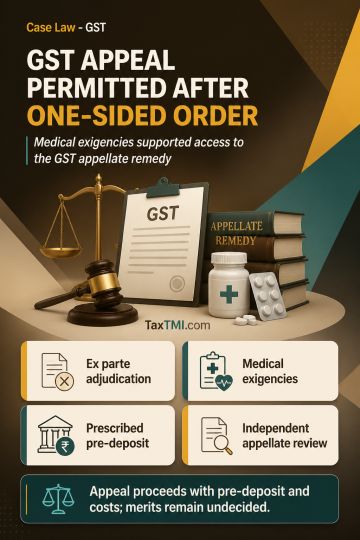
Alternative GST remedy permitted protective writ intervention for ex parte adjudication, preserving independent appellate review of input tax credit d...
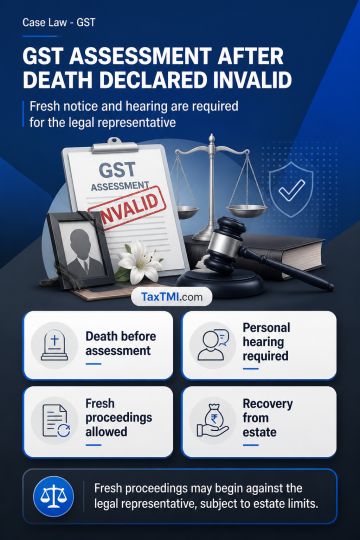
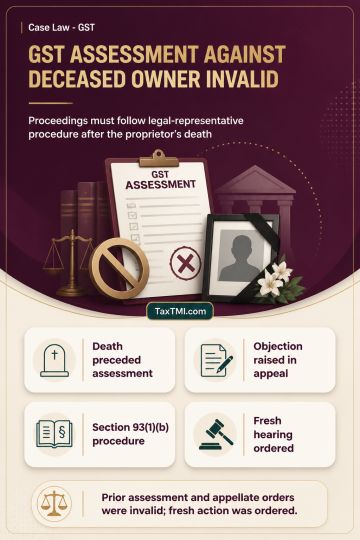
Assessment against deceased sole proprietor requires proceedings against the legal representative, rendering prior assessment and appellate orders inv...
Residential waste collection classification under SAC 999423 defeats composite-supply exemption where facilitating goods are not transferred to the lo...
Page of 4805
Press 'Enter' after typing page number.
261 to 280 of 96100 Results
❮
❯
❯❯
0 / 200
Expand Note
Add to Folder
No Folders have been created
+
Are you sure you want to delete "My most important" ?
Limitation under the Insolvency and Bankruptcy Code is strict, time-bound and jurisdictional: an appeal must be filed in defect-free form within the statutory outer limit, and a defective presentation cannot be perfected at leisure. The procedural period for removing defects or seeking condonation of re-filing delay under the Supreme Court Rules cannot override the Code's timeline. Once the outer limit and the defect-cure period are both exhausted, the right of appeal stands extinguished and no condonation survives. The plea for a liberal approach, including the appellant's status as liquidator and reliance on Article 142, was rejected, and sufficient cause was not shown in any event.
Limitation under the Insolvency and Bankruptcy Code is strict, time-bound and jurisdictional: an appeal must be filed in defect-free form within the statutory outer limit, and a defective presentation cannot be perfected at leisure. The procedural period for removing defects or seeking condonation of re-filing delay under the Supreme Court Rules cannot override the Code's timeline. Once the outer limit and the defect-cure period are both exhausted, the right of appeal stands extinguished and no condonation survives. The plea for a liberal approach, including the appellant's status as liquidator and reliance on Article 142, was rejected, and sufficient cause was not shown in any event.
Note: It is a system-generated summary and is for quick reference only.
 TaxTMI
 of 4805










 Join Channel


 TaxTMI