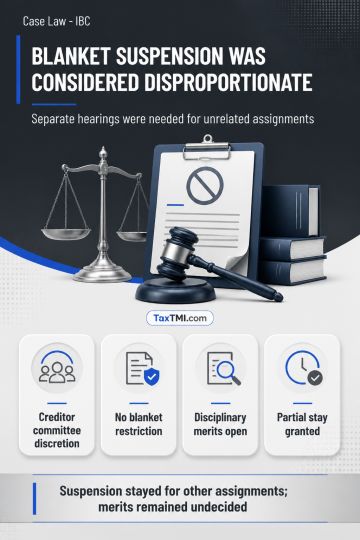
Working-capital adjustment determines whether software-services transfer-pricing margins fall within the statutory tolerance range, eliminating any ad...
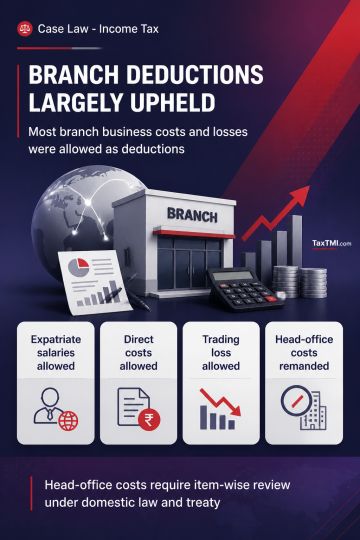
Permanent establishment deductions upheld for expatriate salaries, direct costs and trading losses, while head-office costs require fresh classificati...
Data transmission equipment classification under CTSH 8517 62 remains distinct from residual classification, with exemption evidence requiring scrutin...
In cheque dishonour proceedings, once issuance of the cheque and the signature are admitted or proved, a reverse onus arises and the law presumes that the cheque was issued towards a legally enforceable debt or liability; the accused must rebut that presumption by a probable defence supported by cogent material, and a bare denial or vague explanation is insufficient. Dishonour on stop-payment instructions can still attract penal consequences where the cheque was presented within validity, returned unpaid, notice was issued in time, and payment was not made. On that basis, the acquittal was set aside and the complaint cases were remanded for fresh adjudication.
In cheque dishonour proceedings, once issuance of the cheque and the signature are admitted or proved, a reverse onus arises and the law presumes that the cheque was issued towards a legally enforceable debt or liability; the accused must rebut that presumption by a probable defence supported by cogent material, and a bare denial or vague explanation is insufficient. Dishonour on stop-payment instructions can still attract penal consequences where the cheque was presented within validity, returned unpaid, notice was issued in time, and payment was not made. On that basis, the acquittal was set aside and the complaint cases were remanded for fresh adjudication.
Note: It is a system-generated summary and is for quick reference only.
 TaxTMI
 of 4801









 Join Channel


 TaxTMI