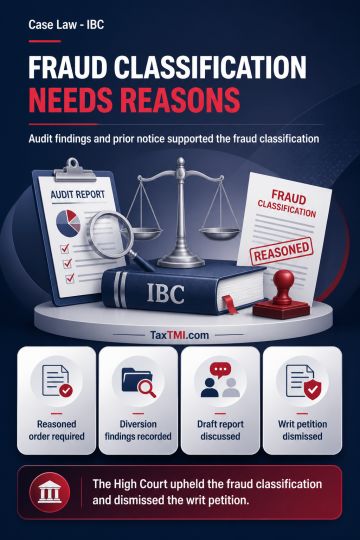
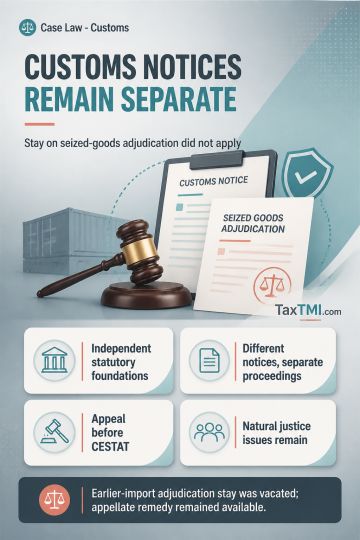
Independent show-cause notices remain separate proceedings, while customs adjudication challenges should ordinarily follow the statutory appellate rem...
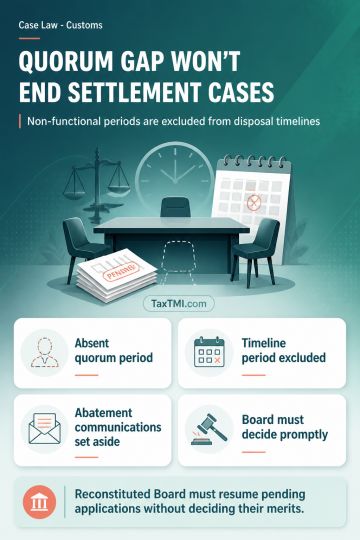
Institutional incapacity in customs settlement proceedings excludes non-functional quorum periods from statutory disposal timelines, preventing automa...
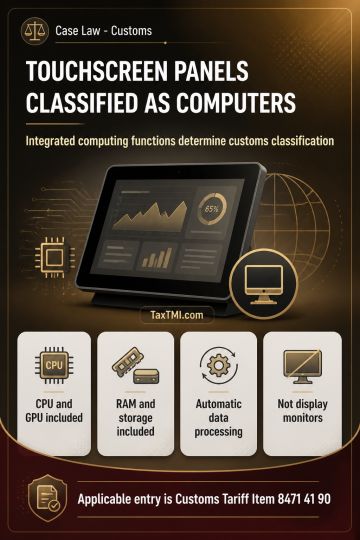
Interactive touchscreen panels with integrated computing functions fall under automatic data-processing machines rather than display monitors for cust...
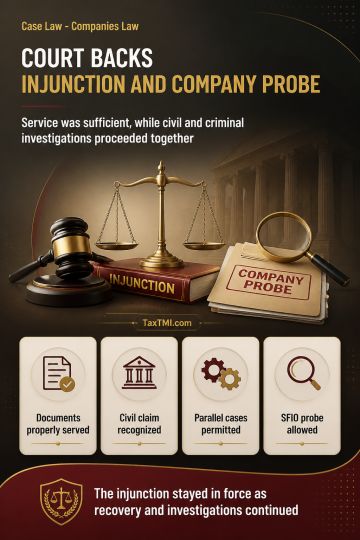
Ex parte injunction service requirements were substantially met, while civil recovery and SFIO investigation into provident fund defalcation continued...
In cheque dishonour proceedings, once issuance of the cheque and the signature are admitted or proved, a reverse onus arises and the law presumes that the cheque was issued towards a legally enforceable debt or liability; the accused must rebut that presumption by a probable defence supported by cogent material, and a bare denial or vague explanation is insufficient. Dishonour on stop-payment instructions can still attract penal consequences where the cheque was presented within validity, returned unpaid, notice was issued in time, and payment was not made. On that basis, the acquittal was set aside and the complaint cases were remanded for fresh adjudication.
In cheque dishonour proceedings, once issuance of the cheque and the signature are admitted or proved, a reverse onus arises and the law presumes that the cheque was issued towards a legally enforceable debt or liability; the accused must rebut that presumption by a probable defence supported by cogent material, and a bare denial or vague explanation is insufficient. Dishonour on stop-payment instructions can still attract penal consequences where the cheque was presented within validity, returned unpaid, notice was issued in time, and payment was not made. On that basis, the acquittal was set aside and the complaint cases were remanded for fresh adjudication.
Note: It is a system-generated summary and is for quick reference only.
 TaxTMI
 of 4805





 Join Channel


 TaxTMI