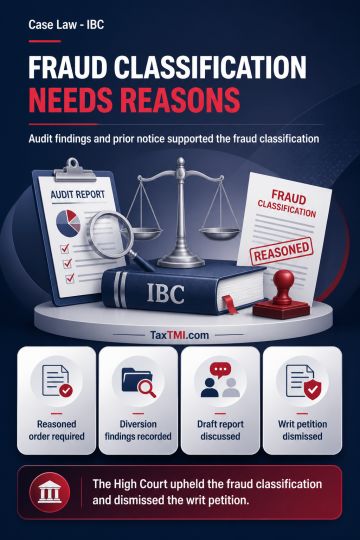
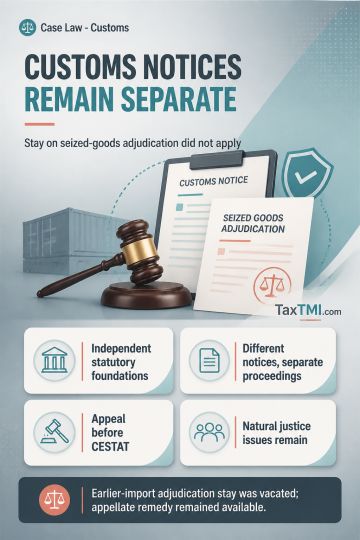
Independent show-cause notices remain separate proceedings, while customs adjudication challenges should ordinarily follow the statutory appellate rem...
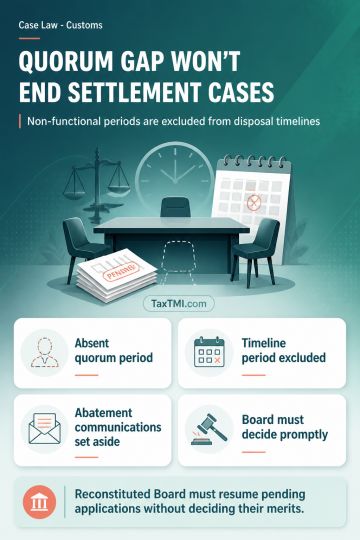
Institutional incapacity in customs settlement proceedings excludes non-functional quorum periods from statutory disposal timelines, preventing automa...
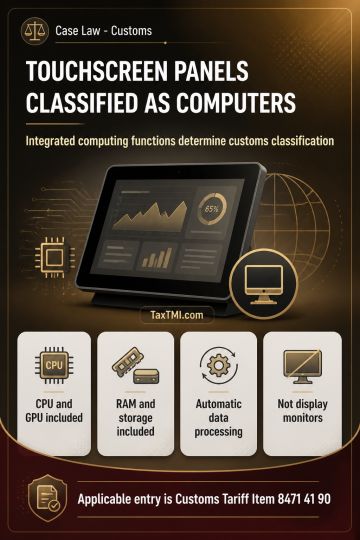
Interactive touchscreen panels with integrated computing functions fall under automatic data-processing machines rather than display monitors for cust...
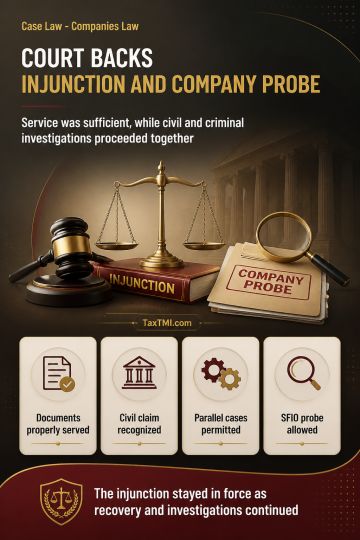
Ex parte injunction service requirements were substantially met, while civil recovery and SFIO investigation into provident fund defalcation continued...
Interest merged into a decree and payable in execution retains the character of a judgment debt, so the judgment debtor cannot deduct tax at source from the decretal interest unless the decree itself authorises such deduction. The court applied the principle that a decree must be executed as it stands, subject only to adjustments permitted under the Civil Procedure Code, and held that section 195 did not extend to a decretal debt. The deduction already made toward TDS was therefore upheld, and the challenge failed.
Interest merged into a decree and payable in execution retains the character of a judgment debt, so the judgment debtor cannot deduct tax at source from the decretal interest unless the decree itself authorises such deduction. The court applied the principle that a decree must be executed as it stands, subject only to adjustments permitted under the Civil Procedure Code, and held that section 195 did not extend to a decretal debt. The deduction already made toward TDS was therefore upheld, and the challenge failed.
Note: It is a system-generated summary and is for quick reference only.
 TaxTMI
 of 4805











 Join Channel


 TaxTMI