Origin Declaration authentication governs preferential tariff claims under India-UK CETA, requiring a validated reference number before import clearan...
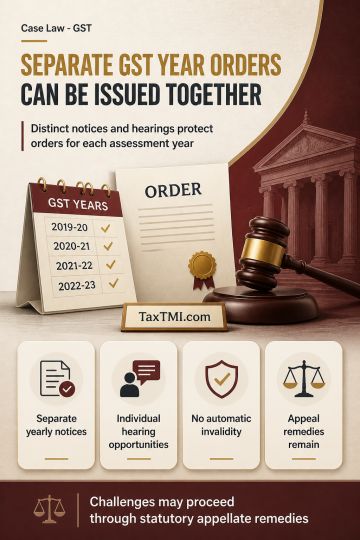
Separate assessment orders for different years remain valid when distinct notices and hearing opportunities prevent prejudice from combined proceeding...
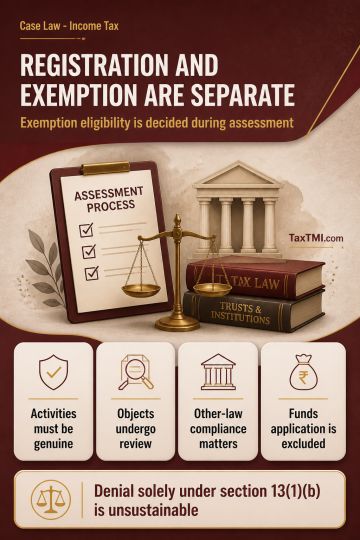
Defined public benefit can retain charitable character; registration renewal requires examining genuine activities and legal compliance, not surplus a...
Capital reduction is distinct from share buy-back, preventing buy-back tax; restructuring interest and related business deductions also survive scruti...
The Companies (Registered Valuers and Valuation) Rules, 2017 are amended to tighten eligibility for registration of a registered valuer organisation. Rule 12 now requires the organisation to be registered under section 25 of the Companies Act, 1956 or section 8 of the Companies Act, 2013, have a minimum paid-up share capital of twenty-five lakh rupees, have the sole object of regulating valuers for one or more asset classes, and maintain bye-laws in Annexure III. An existing organisation that does not yet meet the capital requirement must comply by 31 March 2028. The amendment takes effect on publication in the Official Gazette.
The Companies (Registered Valuers and Valuation) Rules, 2017 are amended to tighten eligibility for registration of a registered valuer organisation. Rule 12 now requires the organisation to be registered under section 25 of the Companies Act, 1956 or section 8 of the Companies Act, 2013, have a minimum paid-up share capital of twenty-five lakh rupees, have the sole object of regulating valuers for one or more asset classes, and maintain bye-laws in Annexure III. An existing organisation that does not yet meet the capital requirement must comply by 31 March 2028. The amendment takes effect on publication in the Official Gazette.
Note: It is a system-generated summary and is for quick reference only.
 TaxTMI
 of 4803


















 Join Channel


 TaxTMI
