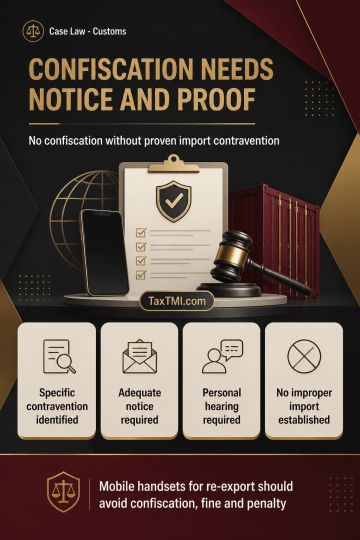
Arrest safeguards require disclosed grounds, relative intimation and transit remand, while duplicate prosecution under the CGST framework is unsustain...
Document Identification Number defects can invalidate GST assessments, with delayed challenges entertained conditionally where patent irregularities e...
Windmill commissioning evidence supported higher depreciation where grid connection and electricity generation proved operational use before the relev...
Pharmaceutical promotion and transfer-pricing comparability principles limited disallowances, while uncorroborated search allegations and unsupported ...
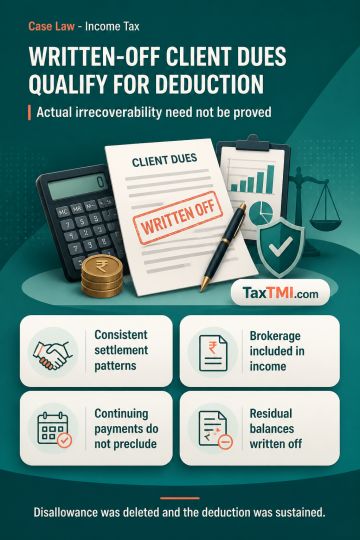
Business expenditure substantiation supports scrap credits, statutory payments and expense claims, while depreciation requires proof of actual busines...
GST assessment orders concerning short payment of tax and alleged non-payment on seigniorage fees under reverse charge mechanism were remitted for fresh adjudication. On the short-reported turnover issue, the impugned orders were treated as an addendum to the show cause notices, and the taxpayer was required to deposit 25% of the disputed tax and file separate replies with supporting documents before fresh merits-based orders were passed. On the seigniorage-fee issue, substantive taxability was not decided; instead, the matter was deferred, a 10% deposit and replies were required, and separate orders were directed only after the Supreme Court resolves the reverse charge taxability question, leaving that controversy open.
GST assessment orders concerning short payment of tax and alleged non-payment on seigniorage fees under reverse charge mechanism were remitted for fresh adjudication. On the short-reported turnover issue, the impugned orders were treated as an addendum to the show cause notices, and the taxpayer was required to deposit 25% of the disputed tax and file separate replies with supporting documents before fresh merits-based orders were passed. On the seigniorage-fee issue, substantive taxability was not decided; instead, the matter was deferred, a 10% deposit and replies were required, and separate orders were directed only after the Supreme Court resolves the reverse charge taxability question, leaving that controversy open.
Note: It is a system-generated summary and is for quick reference only.
 TaxTMI
 of 4805




















 Join Channel


 TaxTMI