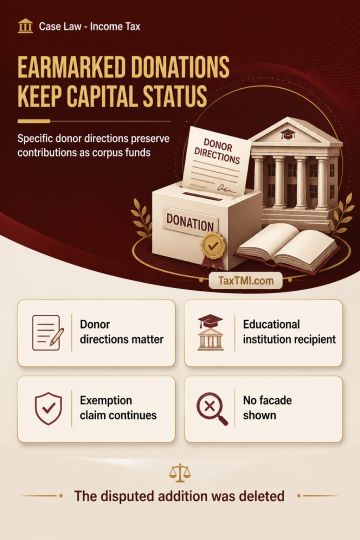
Donor-directed corpus contributions retain capital character despite exemption claims under section 10(23C)(vi), preventing their treatment as taxable...
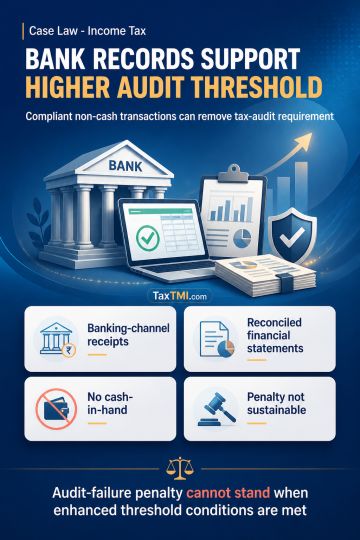
Enhanced tax-audit threshold applies where banking records establish compliant non-cash receipts and payments, eliminating penalty exposure for audit ...
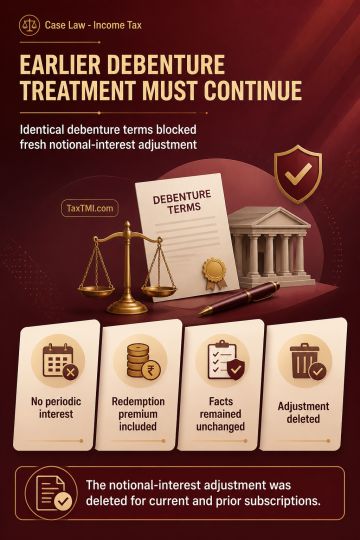
Transfer pricing consistency protects identical non-interest-bearing debenture terms from a later notional-interest adjustment without valid statutory...
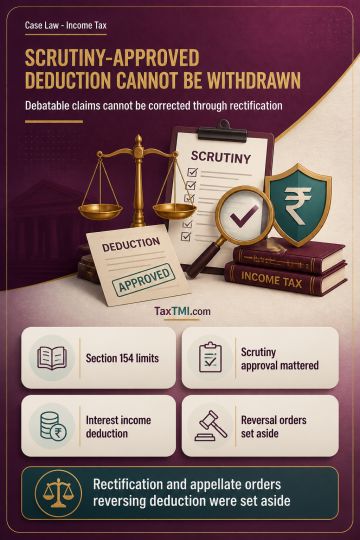
Rectification of debatable deduction claims cannot reverse scrutiny-approved co-operative society interest income deductions as apparent record errors...
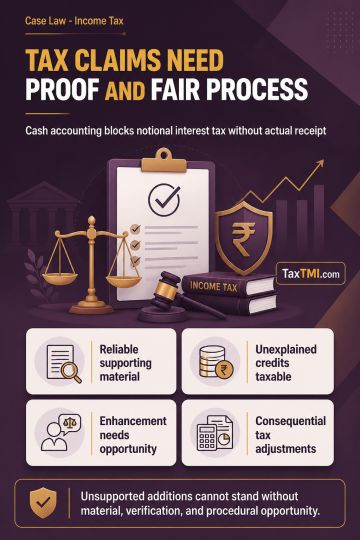
Cash-method accounting bars presumptive interest taxation, while unsupported securities and share-trading additions require reliable material and veri...
GST assessment orders concerning short payment of tax and alleged non-payment on seigniorage fees under reverse charge mechanism were remitted for fresh adjudication. On the short-reported turnover issue, the impugned orders were treated as an addendum to the show cause notices, and the taxpayer was required to deposit 25% of the disputed tax and file separate replies with supporting documents before fresh merits-based orders were passed. On the seigniorage-fee issue, substantive taxability was not decided; instead, the matter was deferred, a 10% deposit and replies were required, and separate orders were directed only after the Supreme Court resolves the reverse charge taxability question, leaving that controversy open.
GST assessment orders concerning short payment of tax and alleged non-payment on seigniorage fees under reverse charge mechanism were remitted for fresh adjudication. On the short-reported turnover issue, the impugned orders were treated as an addendum to the show cause notices, and the taxpayer was required to deposit 25% of the disputed tax and file separate replies with supporting documents before fresh merits-based orders were passed. On the seigniorage-fee issue, substantive taxability was not decided; instead, the matter was deferred, a 10% deposit and replies were required, and separate orders were directed only after the Supreme Court resolves the reverse charge taxability question, leaving that controversy open.
Note: It is a system-generated summary and is for quick reference only.
 TaxTMI
 of 4807






 Join Channel


 TaxTMI