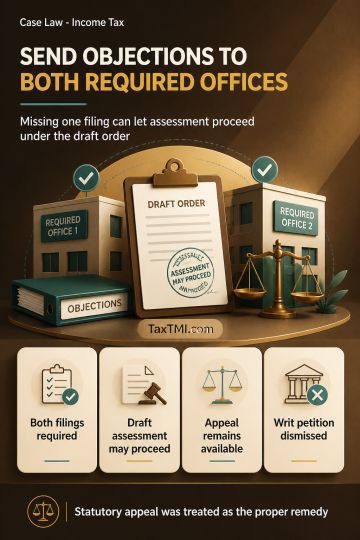
Dispute Resolution Panel objections must reach both prescribed forums; otherwise assessment may proceed and statutory appeal remains the proper remedy...
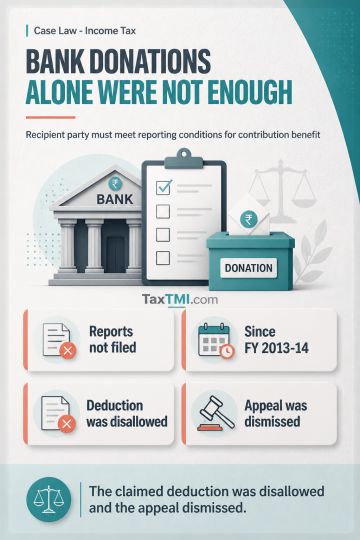
Political contribution deductions require recipient party compliance with contribution-reporting conditions; banking-channel donations alone do not qu...
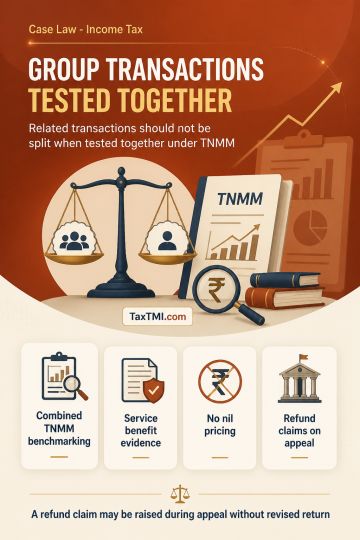
Aggregation under TNMM prevents selective testing of intra-group services without comparable uncontrolled transactions, while appellate additional cla...
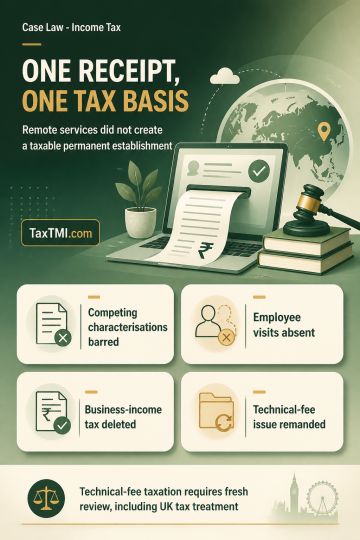
Protective assessment cannot duplicate identical receipts under competing characterisations; remote services did not establish a taxable permanent est...
Current account treatment of overseas tournament services removed most FEMA findings, but excess EEFC remittance and delayed repatriation remained bre...
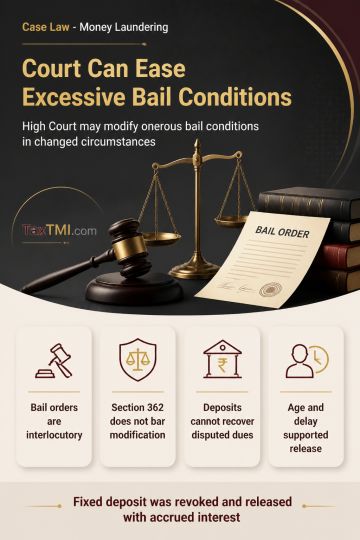
Modification of bail conditions remains available through inherent jurisdiction where onerous deposits undermine justice and cannot recover disputed d...
GST assessment orders concerning short payment of tax and alleged non-payment on seigniorage fees under reverse charge mechanism were remitted for fresh adjudication. On the short-reported turnover issue, the impugned orders were treated as an addendum to the show cause notices, and the taxpayer was required to deposit 25% of the disputed tax and file separate replies with supporting documents before fresh merits-based orders were passed. On the seigniorage-fee issue, substantive taxability was not decided; instead, the matter was deferred, a 10% deposit and replies were required, and separate orders were directed only after the Supreme Court resolves the reverse charge taxability question, leaving that controversy open.
GST assessment orders concerning short payment of tax and alleged non-payment on seigniorage fees under reverse charge mechanism were remitted for fresh adjudication. On the short-reported turnover issue, the impugned orders were treated as an addendum to the show cause notices, and the taxpayer was required to deposit 25% of the disputed tax and file separate replies with supporting documents before fresh merits-based orders were passed. On the seigniorage-fee issue, substantive taxability was not decided; instead, the matter was deferred, a 10% deposit and replies were required, and separate orders were directed only after the Supreme Court resolves the reverse charge taxability question, leaving that controversy open.
Note: It is a system-generated summary and is for quick reference only.
 TaxTMI
 of 4805







 Join Channel


 TaxTMI
