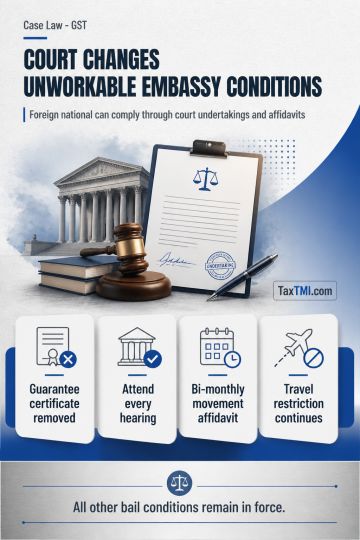
Arrest safeguards and transit remand requirements invalidated detention following inter-State transfer without communicated grounds or magistrate auth...
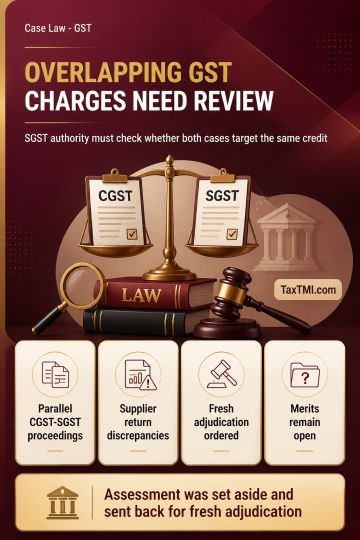
Arrest safeguards require disclosed grounds, relative intimation and transit remand, while duplicate prosecution under the CGST framework is unsustain...
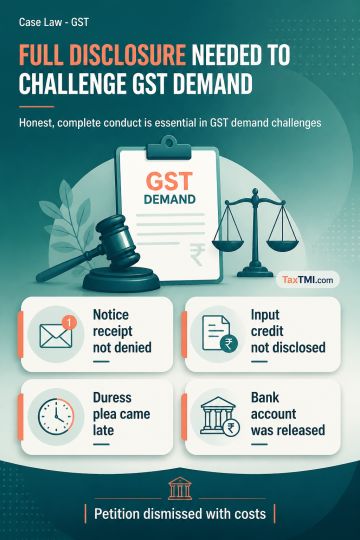
Document Identification Number defects can invalidate GST assessments, with delayed challenges entertained conditionally where patent irregularities e...
Windmill commissioning evidence supported higher depreciation where grid connection and electricity generation proved operational use before the relev...
The Third Amendment Regulations, 2026 revise the insolvency...
Corporate insolvency resolution process amended with expanded disclosure, guarantor asset transfer rules, and new dissolution and restoration procedures.
Contents
Summary
Note
Bookmark
Share
✓ Copied successfully !
Print
Print Options
For full text, please login
Login to TaxTMI
Verification Pending
The Email Id has not been verified. Click on the link we have sent on
The Third Amendment Regulations, 2026 revise the insolvency resolution framework by expanding the information to be filed with section 9 and section 10 applications, including GST records, creditor details, assets, liabilities, guarantees, litigation, related-party transactions, regulatory approvals, and guarantor-related data. They also streamline form usage by replacing several prescribed forms with forms notified by circular, strengthen duties of the resolution professional and creditors to share information, and set timelines for claim decisions and withdrawal applications. The amendments further introduce procedures for transfer of guarantor assets, dissolution during CIRP, and restoration of CIRP before liquidation, and update the schedule structure.
The Third Amendment Regulations, 2026 revise the insolvency resolution framework by expanding the information to be filed with section 9 and section 10 applications, including GST records, creditor details, assets, liabilities, guarantees, litigation, related-party transactions, regulatory approvals, and guarantor-related data. They also streamline form usage by replacing several prescribed forms with forms notified by circular, strengthen duties of the resolution professional and creditors to share information, and set timelines for claim decisions and withdrawal applications. The amendments further introduce procedures for transfer of guarantor assets, dissolution during CIRP, and restoration of CIRP before liquidation, and update the schedule structure.
Note: It is a system-generated summary and is for quick reference only.
 TaxTMI
 of 4805
















 Join Channel


 TaxTMI
