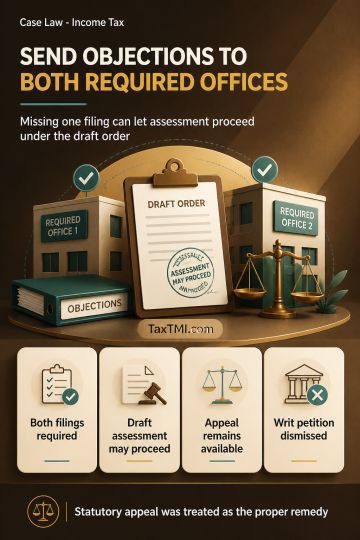
Dispute Resolution Panel objections must reach both prescribed forums; otherwise assessment may proceed and statutory appeal remains the proper remedy...
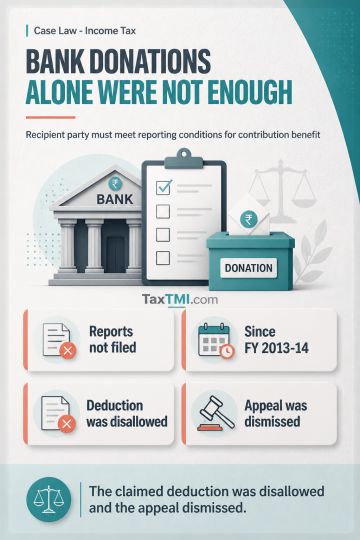
Political contribution deductions require recipient party compliance with contribution-reporting conditions; banking-channel donations alone do not qu...
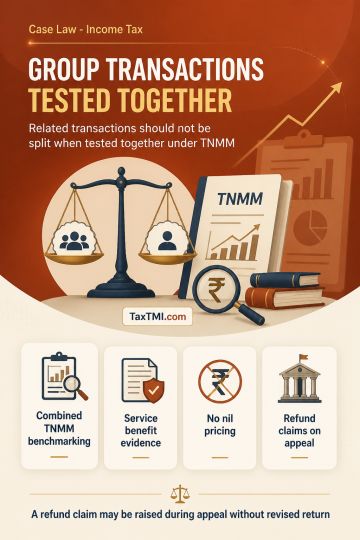
Aggregation under TNMM prevents selective testing of intra-group services without comparable uncontrolled transactions, while appellate additional cla...
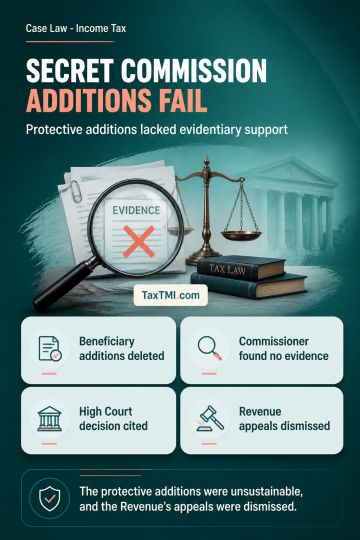
Protective assessment cannot duplicate identical receipts under competing characterisations; remote services did not establish a taxable permanent est...
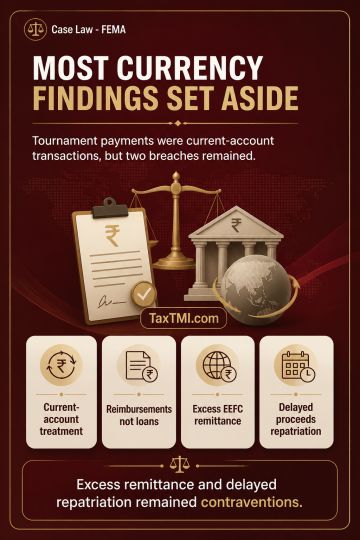
Current account treatment of overseas tournament services removed most FEMA findings, but excess EEFC remittance and delayed repatriation remained bre...
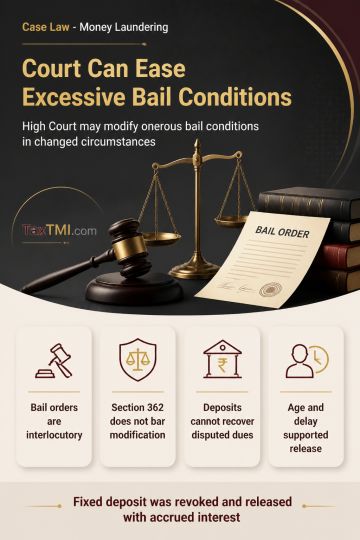
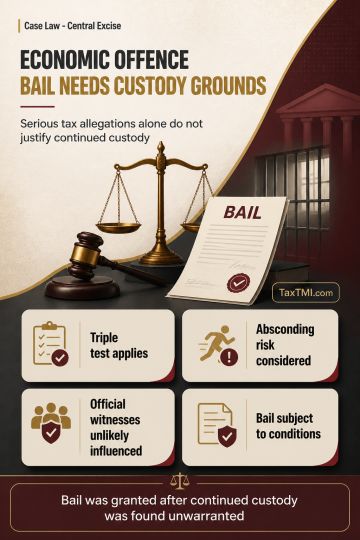
Modification of bail conditions remains available through inherent jurisdiction where onerous deposits undermine justice and cannot recover disputed d...
A provision for ex gratia payment to employees on mercantile basis was allowable as business expenditure under section 37(1) because the Board had approved the liability and government approval for release did not make it contingent; the disallowance was deleted. In respect of exempt dividend income, disallowance under section 14A read with rule 8D failed because the Assessing Officer did not first examine the assessee's claim and record dissatisfaction on the basis of the accounts; that disallowance was deleted. Expenditure for increasing authorised share capital was held to be capital in nature and outside section 35D, so the disallowance was sustained. Penalty under section 271(1)(c) was deleted because the underlying issue was debatable and had been admitted by the High Court.
A provision for ex gratia payment to employees on mercantile basis was allowable as business expenditure under section 37(1) because the Board had approved the liability and government approval for release did not make it contingent; the disallowance was deleted. In respect of exempt dividend income, disallowance under section 14A read with rule 8D failed because the Assessing Officer did not first examine the assessee's claim and record dissatisfaction on the basis of the accounts; that disallowance was deleted. Expenditure for increasing authorised share capital was held to be capital in nature and outside section 35D, so the disallowance was sustained. Penalty under section 271(1)(c) was deleted because the underlying issue was debatable and had been admitted by the High Court.
Note: It is a system-generated summary and is for quick reference only.
 TaxTMI
 of 4805









 Join Channel


 TaxTMI
