Donor-directed corpus contributions retain capital character despite exemption claims under section 10(23C)(vi), preventing their treatment as taxable...
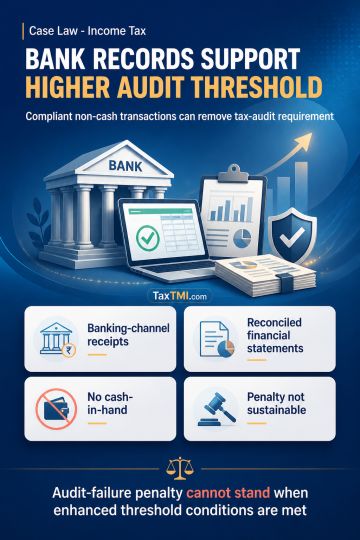
Enhanced tax-audit threshold applies where banking records establish compliant non-cash receipts and payments, eliminating penalty exposure for audit ...
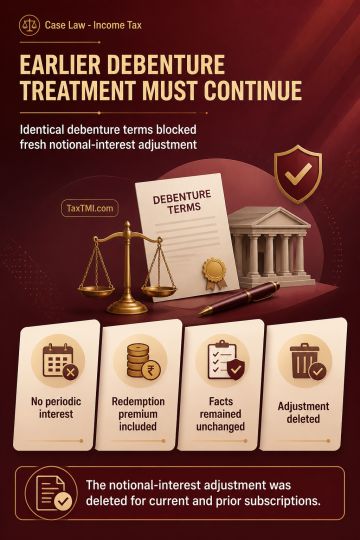
Transfer pricing consistency protects identical non-interest-bearing debenture terms from a later notional-interest adjustment without valid statutory...
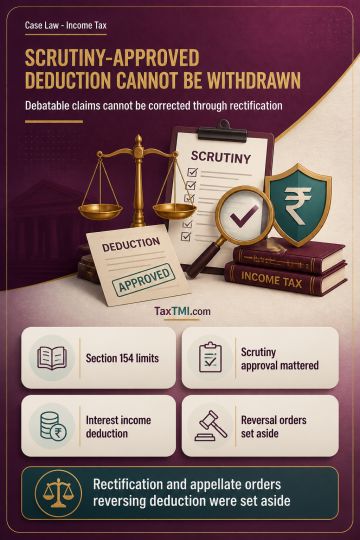
Rectification of debatable deduction claims cannot reverse scrutiny-approved co-operative society interest income deductions as apparent record errors...
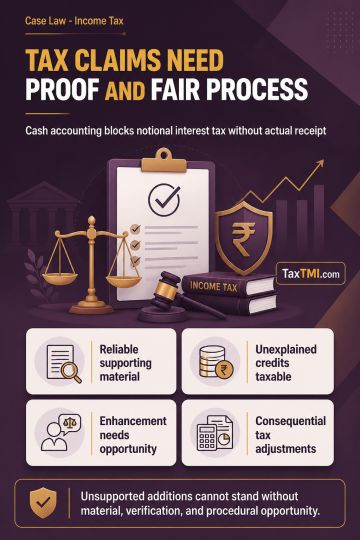
Cash-method accounting bars presumptive interest taxation, while unsupported securities and share-trading additions require reliable material and veri...
The amendment regulations expand and standardise the personal guarantor insolvency framework by removing clause (e) in regulation 3, replacing prescribed Forms A, B and C with forms notified by circular, and inserting a detailed statement-of-assets requirement for applications under sections 94 and 95. The new disclosure covers cash, business interests, investments, immovable property, retirement benefits, digital assets, intellectual property, valuables, agricultural assets, receivables, contingent claims, ESOPs and beneficial interests, including assets held indirectly, jointly, fiduciary or through nominees and other arrangements. They also introduce a coordination and creditor-approval mechanism for transfer of assets in related corporate insolvency proceedings and align certain procedural provisions with sections 106 and 28A.
The amendment regulations expand and standardise the personal guarantor insolvency framework by removing clause (e) in regulation 3, replacing prescribed Forms A, B and C with forms notified by circular, and inserting a detailed statement-of-assets requirement for applications under sections 94 and 95. The new disclosure covers cash, business interests, investments, immovable property, retirement benefits, digital assets, intellectual property, valuables, agricultural assets, receivables, contingent claims, ESOPs and beneficial interests, including assets held indirectly, jointly, fiduciary or through nominees and other arrangements. They also introduce a coordination and creditor-approval mechanism for transfer of assets in related corporate insolvency proceedings and align certain procedural provisions with sections 106 and 28A.
Note: It is a system-generated summary and is for quick reference only.
 TaxTMI
 of 4807








 Join Channel


 TaxTMI