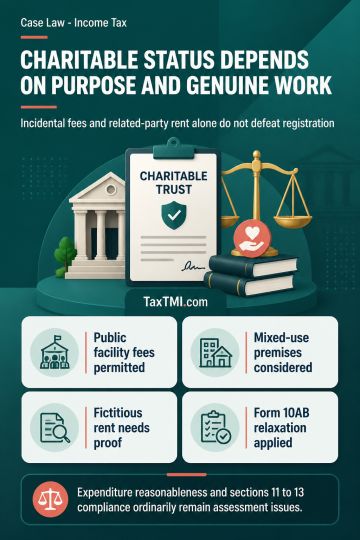
Charitable registration turns on predominant purpose and genuine activities, while incidental fees and related-party rent require supporting adverse m...
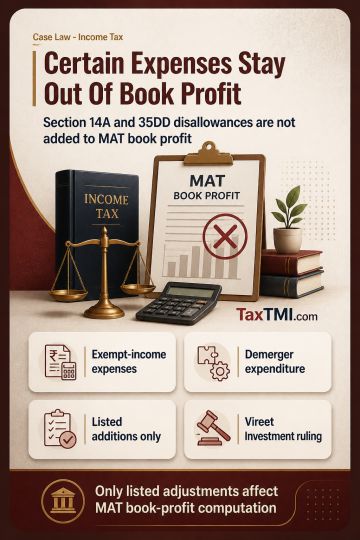
MAT book-profit adjustments exclude disallowances for exempt-income expenditure and demerger expenditure unless expressly listed under the statutory c...
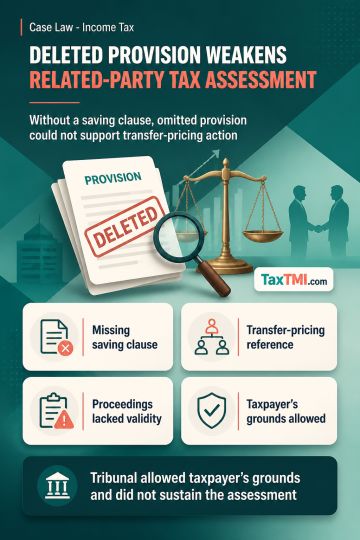
Omitted specified domestic transaction provision invalidates related-party expenditure transfer-pricing references and assessments based on consequent...
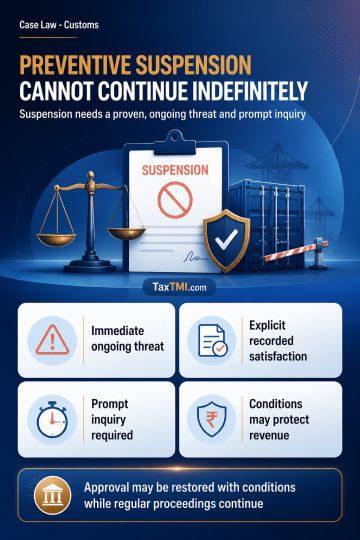
Preventive suspension requires an immediate continuing threat and cannot become indefinite without inquiry, fresh evidence, or proportionate safeguard...
Page of 4805
Press 'Enter' after typing page number.
361 to 380 of 96100 Results
❮
❯
❯❯
0 / 200
Expand Note
Add to Folder
No Folders have been created
+
Are you sure you want to delete "My most important" ?
The amendment regulations expand and standardise the personal guarantor insolvency framework by removing clause (e) in regulation 3, replacing prescribed Forms A, B and C with forms notified by circular, and inserting a detailed statement-of-assets requirement for applications under sections 94 and 95. The new disclosure covers cash, business interests, investments, immovable property, retirement benefits, digital assets, intellectual property, valuables, agricultural assets, receivables, contingent claims, ESOPs and beneficial interests, including assets held indirectly, jointly, fiduciary or through nominees and other arrangements. They also introduce a coordination and creditor-approval mechanism for transfer of assets in related corporate insolvency proceedings and align certain procedural provisions with sections 106 and 28A.
The amendment regulations expand and standardise the personal guarantor insolvency framework by removing clause (e) in regulation 3, replacing prescribed Forms A, B and C with forms notified by circular, and inserting a detailed statement-of-assets requirement for applications under sections 94 and 95. The new disclosure covers cash, business interests, investments, immovable property, retirement benefits, digital assets, intellectual property, valuables, agricultural assets, receivables, contingent claims, ESOPs and beneficial interests, including assets held indirectly, jointly, fiduciary or through nominees and other arrangements. They also introduce a coordination and creditor-approval mechanism for transfer of assets in related corporate insolvency proceedings and align certain procedural provisions with sections 106 and 28A.
Note: It is a system-generated summary and is for quick reference only.
 TaxTMI
 of 4805






 Join Channel


 TaxTMI