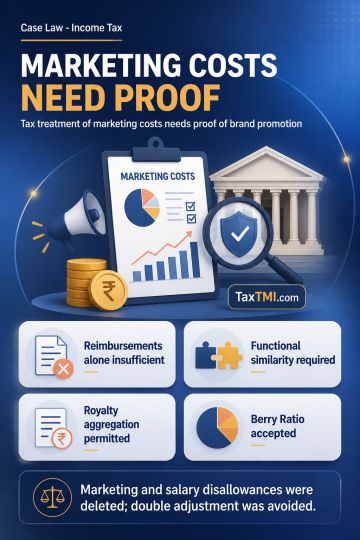
Transfer pricing requires evidence for AMP transactions, functionally reliable comparables, and appropriate aggregation or Berry Ratio benchmarking me...
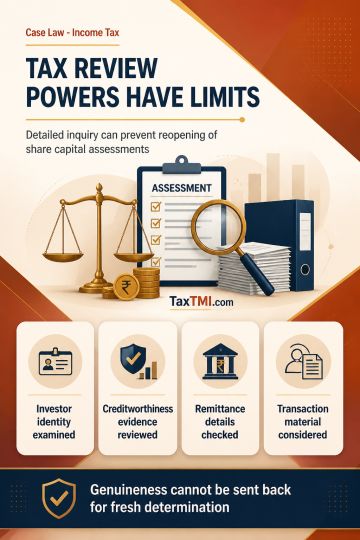
Revisionary jurisdiction cannot reopen share capital assessments where adequate inquiry supports a permissible view and no independent error is establ...
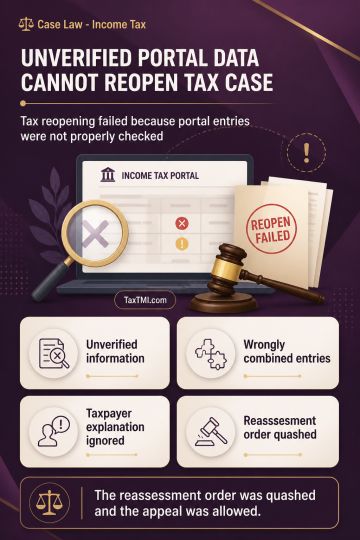
Reassessment jurisdiction fails where unverified portal information is aggregated without examining the taxpayer's explanation or relevance of entries...
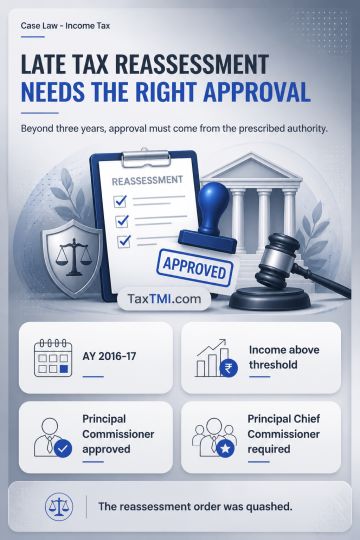
Statutory sanction for delayed reassessment requires approval from the prescribed authority; approval by an inferior authority invalidates jurisdictio...
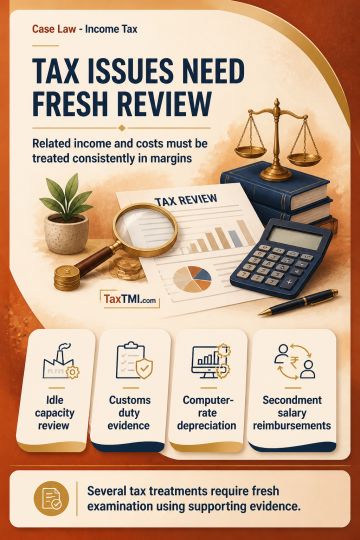
Transfer pricing margin adjustments require matching treatment of non-operating income and related costs, with comparability issues reconsidered on ev...
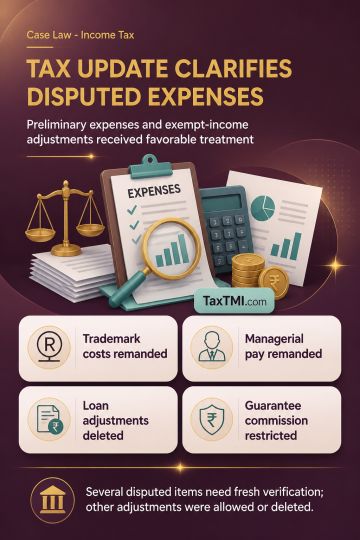
Preliminary-expense amortisation and MAT exempt-income adjustments prevailed, while trademark costs and managerial remuneration require fresh verifica...
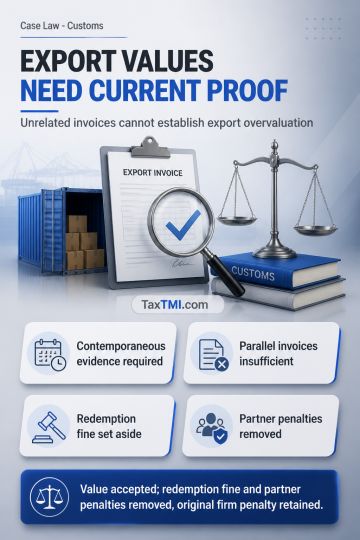
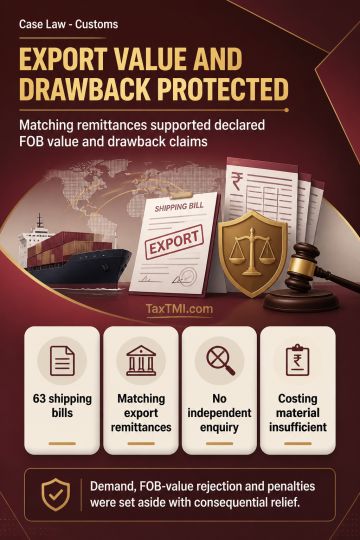
Export valuation requires contemporaneous evidence; unrelated invoices cannot prove overvaluation, and dual penalties on firm and partner are impermis...
The amendment streamlines voluntary liquidation procedure by replacing multiple prescribed forms with forms notified by circular, renaming the stakeholder consultation heading as assistance by stakeholders, and inserting a new claim-management rule requiring stakeholders to submit claims by the public announcement deadline and update them when satisfied. It also requires a liquidator who rejects a claim to record written reasons and communicate admission or rejection within seven days. A new termination framework is added for voluntary liquidation proceedings, requiring the resolution and liquidator's report to state the rationale, treatment of costs, and absence of prejudice or fraud, and providing that termination ends the liquidator's appointment, powers, and further action under the regulations.
The amendment streamlines voluntary liquidation procedure by replacing multiple prescribed forms with forms notified by circular, renaming the stakeholder consultation heading as assistance by stakeholders, and inserting a new claim-management rule requiring stakeholders to submit claims by the public announcement deadline and update them when satisfied. It also requires a liquidator who rejects a claim to record written reasons and communicate admission or rejection within seven days. A new termination framework is added for voluntary liquidation proceedings, requiring the resolution and liquidator's report to state the rationale, treatment of costs, and absence of prejudice or fraud, and providing that termination ends the liquidator's appointment, powers, and further action under the regulations.
Note: It is a system-generated summary and is for quick reference only.
 TaxTMI
  TaxTMI
 of 4807








 Join Channel


