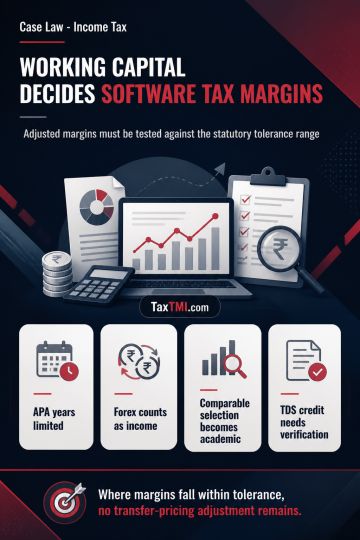
Working-capital adjustment determines whether software-services transfer-pricing margins fall within the statutory tolerance range, eliminating any ad...
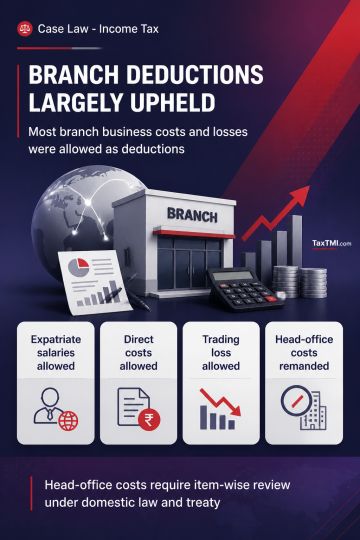
Permanent establishment deductions upheld for expatriate salaries, direct costs and trading losses, while head-office costs require fresh classificati...
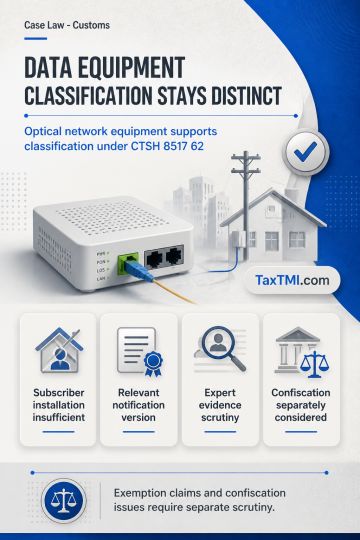
Data transmission equipment classification under CTSH 8517 62 remains distinct from residual classification, with exemption evidence requiring scrutin...
Risk-based selective boarding of vessels at JNCH is introduced under Customs boarding powers and the Imported Stores (Retention on Board) Regulations, with physical boarding to be driven by advance risk profiling instead of routine inspection. The screening will use compliance history, voyage details, last port of call, itinerary, cargo nature, and declarations on crew effects, ship stores and satellite devices, while terminal operators must send vessel lists in advance and the Superintendent (Admin) will grant boarding clearance after document review. Vessels not selected for boarding remain subject to strict accuracy and retention obligations on the Master and Shipping Agent, and cargo discharge is to continue immediately on Entry Inward.
Risk-based selective boarding of vessels at JNCH is introduced under Customs boarding powers and the Imported Stores (Retention on Board) Regulations, with physical boarding to be driven by advance risk profiling instead of routine inspection. The screening will use compliance history, voyage details, last port of call, itinerary, cargo nature, and declarations on crew effects, ship stores and satellite devices, while terminal operators must send vessel lists in advance and the Superintendent (Admin) will grant boarding clearance after document review. Vessels not selected for boarding remain subject to strict accuracy and retention obligations on the Master and Shipping Agent, and cargo discharge is to continue immediately on Entry Inward.
Note: It is a system-generated summary and is for quick reference only.
 TaxTMI
 of 4805







 Join Channel


 TaxTMI