Transfer pricing requires evidence for AMP transactions, functionally reliable comparables, and appropriate aggregation or Berry Ratio benchmarking me...
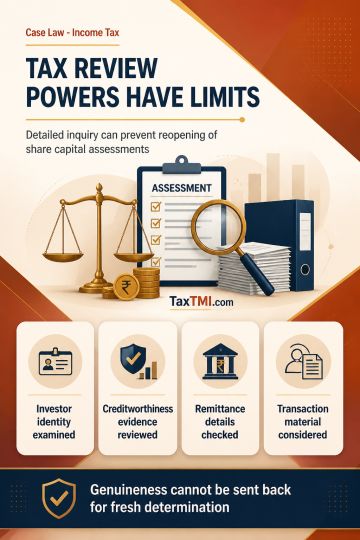
Revisionary jurisdiction cannot reopen share capital assessments where adequate inquiry supports a permissible view and no independent error is establ...
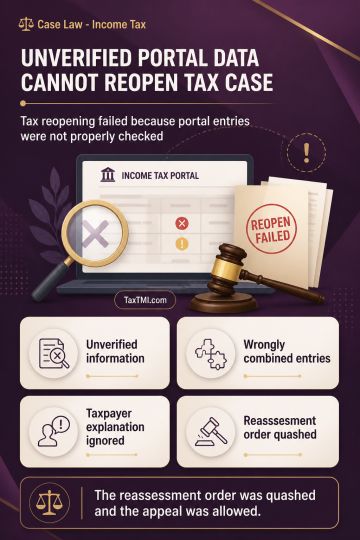
Reassessment jurisdiction fails where unverified portal information is aggregated without examining the taxpayer's explanation or relevance of entries...
Statutory sanction for delayed reassessment requires approval from the prescribed authority; approval by an inferior authority invalidates jurisdictio...
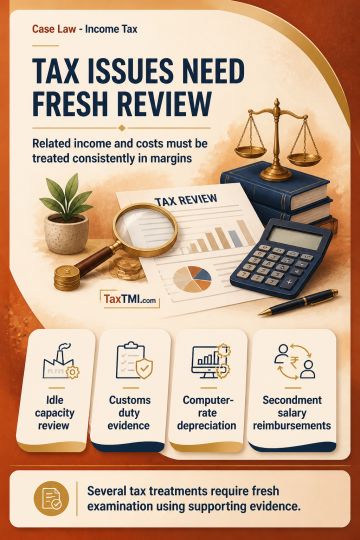
Transfer pricing margin adjustments require matching treatment of non-operating income and related costs, with comparability issues reconsidered on ev...
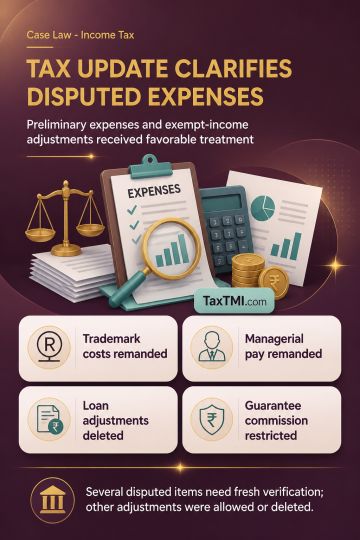
Preliminary-expense amortisation and MAT exempt-income adjustments prevailed, while trademark costs and managerial remuneration require fresh verifica...
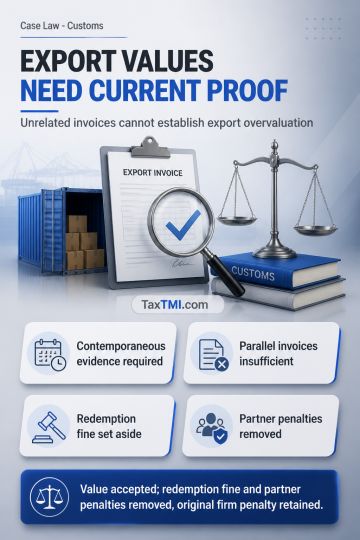
Export valuation requires contemporaneous evidence; unrelated invoices cannot prove overvaluation, and dual penalties on firm and partner are impermis...
Risk-based selective boarding of vessels at JNCH is introduced under Customs boarding powers and the Imported Stores (Retention on Board) Regulations, with physical boarding to be driven by advance risk profiling instead of routine inspection. The screening will use compliance history, voyage details, last port of call, itinerary, cargo nature, and declarations on crew effects, ship stores and satellite devices, while terminal operators must send vessel lists in advance and the Superintendent (Admin) will grant boarding clearance after document review. Vessels not selected for boarding remain subject to strict accuracy and retention obligations on the Master and Shipping Agent, and cargo discharge is to continue immediately on Entry Inward.
Risk-based selective boarding of vessels at JNCH is introduced under Customs boarding powers and the Imported Stores (Retention on Board) Regulations, with physical boarding to be driven by advance risk profiling instead of routine inspection. The screening will use compliance history, voyage details, last port of call, itinerary, cargo nature, and declarations on crew effects, ship stores and satellite devices, while terminal operators must send vessel lists in advance and the Superintendent (Admin) will grant boarding clearance after document review. Vessels not selected for boarding remain subject to strict accuracy and retention obligations on the Master and Shipping Agent, and cargo discharge is to continue immediately on Entry Inward.
Note: It is a system-generated summary and is for quick reference only.
 TaxTMI
  TaxTMI
 of 4809













 Join Channel


