Charitable registration turns on predominant purpose and genuine activities, while incidental fees and related-party rent require supporting adverse m...
MAT book-profit adjustments exclude disallowances for exempt-income expenditure and demerger expenditure unless expressly listed under the statutory c...
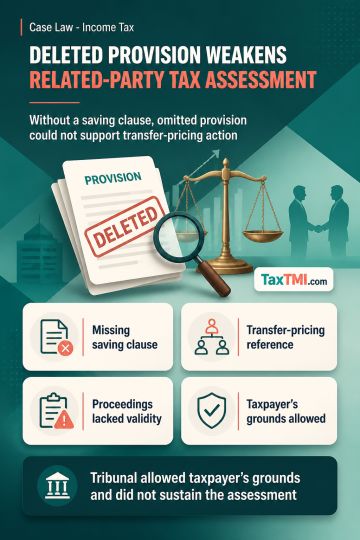
Omitted specified domestic transaction provision invalidates related-party expenditure transfer-pricing references and assessments based on consequent...
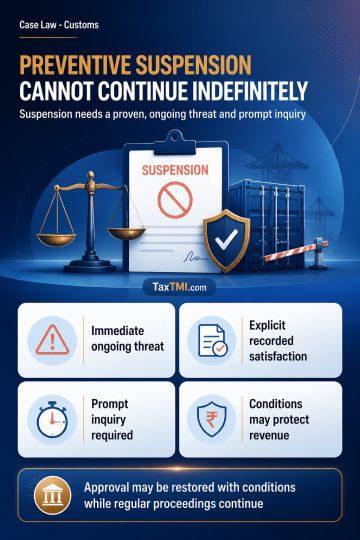
Preventive suspension requires an immediate continuing threat and cannot become indefinite without inquiry, fresh evidence, or proportionate safeguard...
Page of 4805
Press 'Enter' after typing page number.
361 to 380 of 96100 Results
❮
❯
❯❯
0 / 200
Expand Note
Add to Folder
No Folders have been created
+
Are you sure you want to delete "My most important" ?
Section 53A of the Transfer of Property Act did not confer ownership for depreciation where there was no written and registered transfer instrument, so the assessee could not treat the properties as firm assets or claim depreciation on that basis. The assessment was also not vitiated by natural justice grounds because the show-cause process and repeated notices already covered the relevant factual basis, and the shift from unexplained investment to unexplained credit was treated as a consequence of the same inquiry. Having rejected the jurisdictional and procedural objections, the Court declined to examine the merits of the unexplained credit dispute in writ jurisdiction and relegated the assessee to the statutory appellate remedy.
Section 53A of the Transfer of Property Act did not confer ownership for depreciation where there was no written and registered transfer instrument, so the assessee could not treat the properties as firm assets or claim depreciation on that basis. The assessment was also not vitiated by natural justice grounds because the show-cause process and repeated notices already covered the relevant factual basis, and the shift from unexplained investment to unexplained credit was treated as a consequence of the same inquiry. Having rejected the jurisdictional and procedural objections, the Court declined to examine the merits of the unexplained credit dispute in writ jurisdiction and relegated the assessee to the statutory appellate remedy.
Note: It is a system-generated summary and is for quick reference only.
 TaxTMI
 of 4805














 Join Channel


 TaxTMI