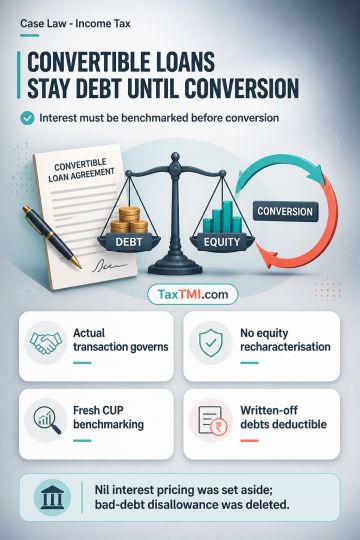
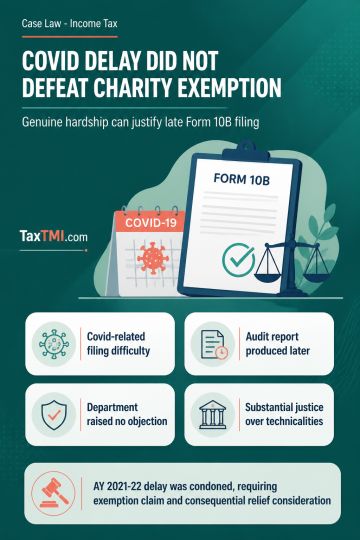
Belated Form 10B filing during Covid-19 cannot defeat charitable exemption where genuine hardship warrants condonation and substantial justice prevail...
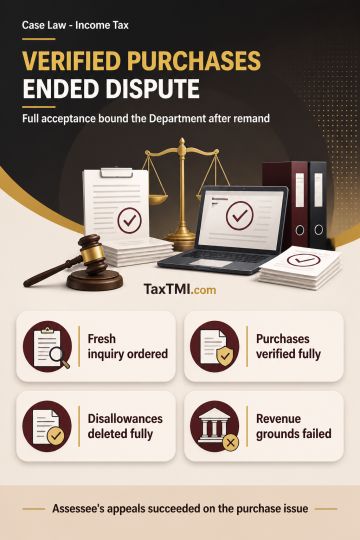
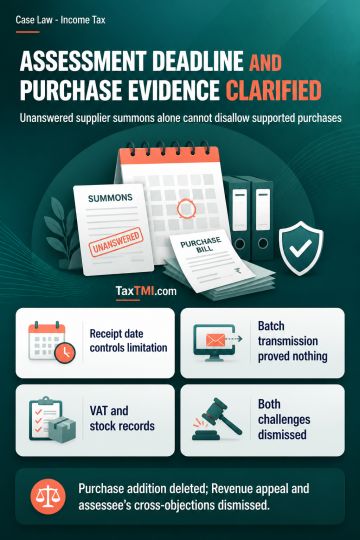
Limitation for consequential assessments runs from prescribed authority receipt, while verified purchases cannot be disallowed merely for unanswered s...
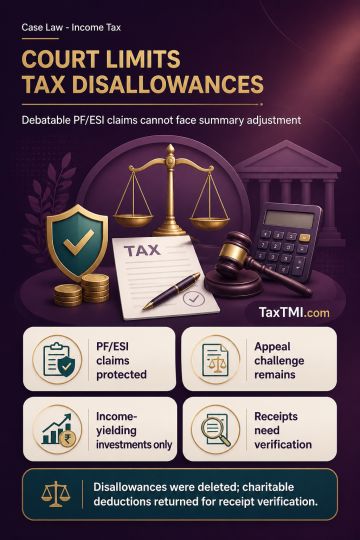
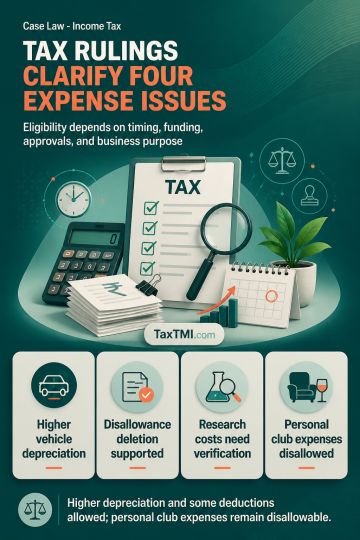
Higher depreciation for qualifying commercial vehicles, exempt-income disallowance, research deduction verification, and club-expense treatment clarif...
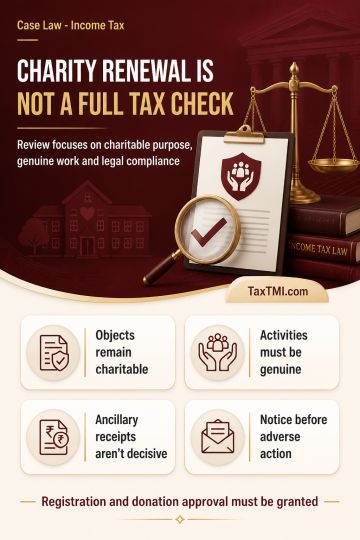
Charitable registration renewal cannot become an assessment of receipts, profitability or annual exemption compliance, requiring renewal and donation ...
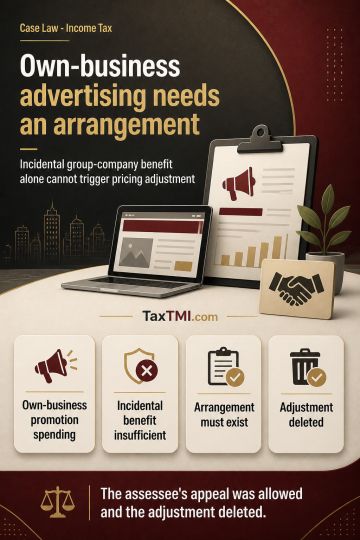
AMP expenditure for own business is not an international transaction without an associated-enterprise arrangement, eliminating transfer pricing adjust...
Transfer pricing benchmarking had to be confined to the assessee's international transactions where segmental results for associated enterprise and non-associated enterprise dealings were available and capable of segregation. Entity-level margins could not be used merely because the segmental accounts were unaudited, and the benchmarking was therefore directed to be on segmental profitability. In applying external TNMM, comparables had to satisfy functional, asset and risk similarity; retail businesses, fabric or yarn manufacturers, contract socks manufacturers, leather garment manufacturers, and companies with merger or acquisition during the year were excluded, and exporters with export revenue below 75% of sales were also filtered out. The TPO was directed to redo comparability analysis and allow the +/- 5% tolerance under section 92C(2).
Transfer pricing benchmarking had to be confined to the assessee's international transactions where segmental results for associated enterprise and non-associated enterprise dealings were available and capable of segregation. Entity-level margins could not be used merely because the segmental accounts were unaudited, and the benchmarking was therefore directed to be on segmental profitability. In applying external TNMM, comparables had to satisfy functional, asset and risk similarity; retail businesses, fabric or yarn manufacturers, contract socks manufacturers, leather garment manufacturers, and companies with merger or acquisition during the year were excluded, and exporters with export revenue below 75% of sales were also filtered out. The TPO was directed to redo comparability analysis and allow the +/- 5% tolerance under section 92C(2).
Note: It is a system-generated summary and is for quick reference only.
 TaxTMI
 of 4807




 Join Channel


 TaxTMI