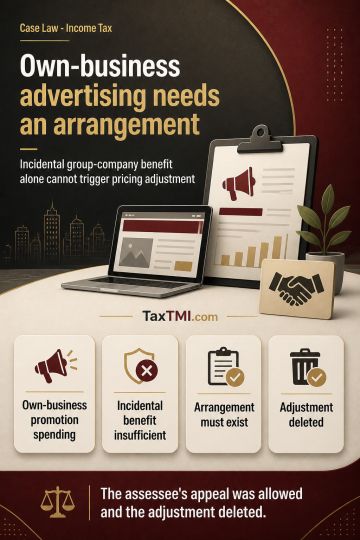
AMP expenditure for own business is not an international transaction without an associated-enterprise arrangement, eliminating transfer pricing adjust...
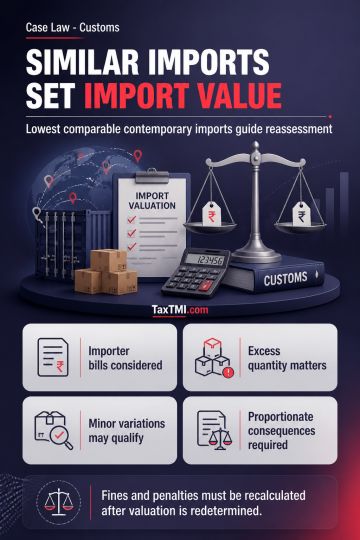
Customs valuation must use comparable contemporary imports, while confiscation fines and penalties require proportionate recalculation on reassessed v...
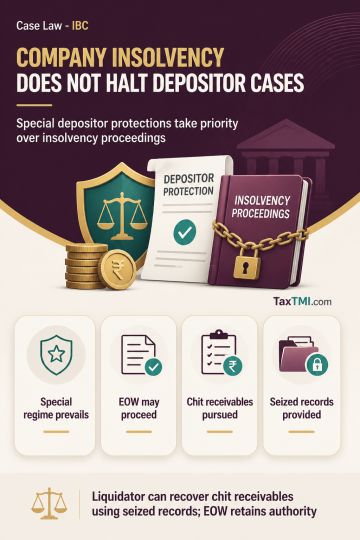
Depositor-protection proceedings prevail over corporate insolvency, while liquidators may recover chit receivables using copies of seized company reco...
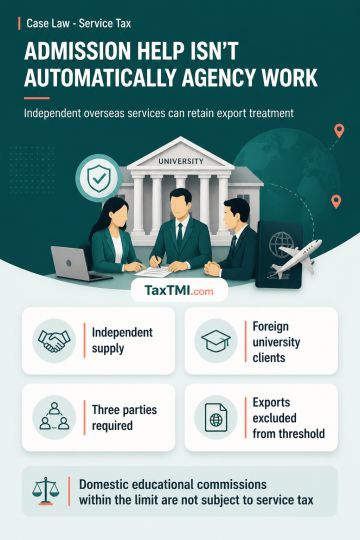
Intermediary service classification fails where overseas admission facilitation is supplied independently, preserving export treatment and small-provi...
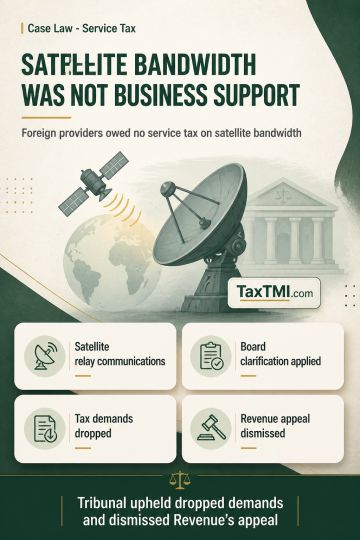
Satellite transponder bandwidth is telecommunication, not Business Support Service; foreign non-telegraph providers triggered no service tax liability...
CESTAT held that preferential exemption could not be denied by rejecting the Certificate of Origin and recomputing Local Value Added Content through an alternate method contrary to the Interim Rules of Origin. The Rules required computation with reference to FOB value and CIF value of non-originating materials, and the designated foreign authority's certificate could not be ignored without using the prescribed verification mechanism. Because the importer had produced the certificate and was not required to verify the supplier's internal cost structure, the exemption claim remained valid. Once exemption was upheld, the duty demand failed, and the extended period and penalties under Sections 114A and 114AA were unsustainable for want of wilful suppression or intent to evade duty.
CESTAT held that preferential exemption could not be denied by rejecting the Certificate of Origin and recomputing Local Value Added Content through an alternate method contrary to the Interim Rules of Origin. The Rules required computation with reference to FOB value and CIF value of non-originating materials, and the designated foreign authority's certificate could not be ignored without using the prescribed verification mechanism. Because the importer had produced the certificate and was not required to verify the supplier's internal cost structure, the exemption claim remained valid. Once exemption was upheld, the duty demand failed, and the extended period and penalties under Sections 114A and 114AA were unsustainable for want of wilful suppression or intent to evade duty.
Note: It is a system-generated summary and is for quick reference only.
 TaxTMI
  TaxTMI
 of 4807








 Join Channel


