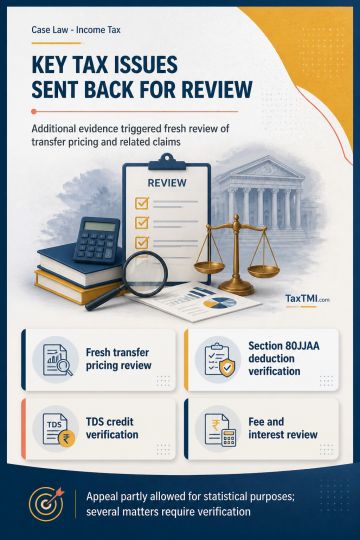
Additional evidence in transfer pricing dispute leads to fresh examination, while tax deductions, TDS credit, fee and refund interest require verifica...
Category II AIF pass-through taxation preserves non-business income character; investment receipts cannot be reclassified without applying recognised ...
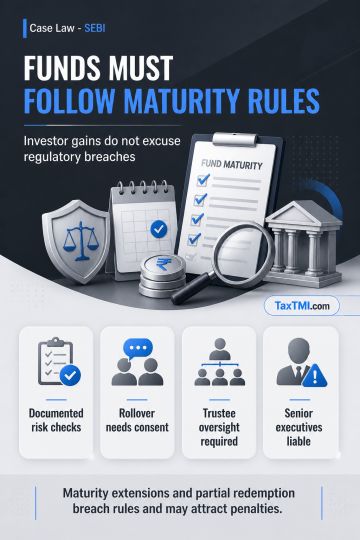
Mutual fund maturity rules require proper rollover, redemption, disclosure, and due diligence; investor gains cannot excuse regulatory breaches or pen...
Threshold exemption excludes exempt services, while stamp-paper purchases avoid reverse charge; consequential service tax penalties were also set asid...
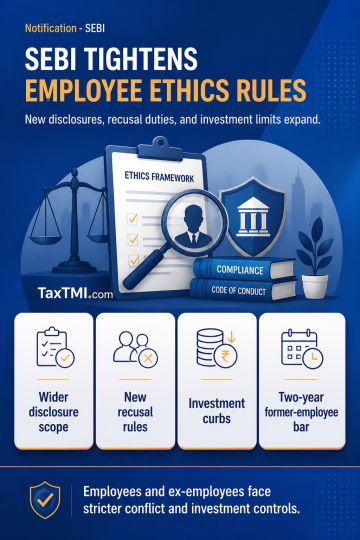
Employee conflict disclosures and investment restrictions expand with new recusal duties, post-employment limits, and compliance reporting requirement...
CESTAT held that preferential exemption could not be denied by rejecting the Certificate of Origin and recomputing Local Value Added Content through an alternate method contrary to the Interim Rules of Origin. The Rules required computation with reference to FOB value and CIF value of non-originating materials, and the designated foreign authority's certificate could not be ignored without using the prescribed verification mechanism. Because the importer had produced the certificate and was not required to verify the supplier's internal cost structure, the exemption claim remained valid. Once exemption was upheld, the duty demand failed, and the extended period and penalties under Sections 114A and 114AA were unsustainable for want of wilful suppression or intent to evade duty.
CESTAT held that preferential exemption could not be denied by rejecting the Certificate of Origin and recomputing Local Value Added Content through an alternate method contrary to the Interim Rules of Origin. The Rules required computation with reference to FOB value and CIF value of non-originating materials, and the designated foreign authority's certificate could not be ignored without using the prescribed verification mechanism. Because the importer had produced the certificate and was not required to verify the supplier's internal cost structure, the exemption claim remained valid. Once exemption was upheld, the duty demand failed, and the extended period and penalties under Sections 114A and 114AA were unsustainable for want of wilful suppression or intent to evade duty.
Note: It is a system-generated summary and is for quick reference only.
 TaxTMI
 of 4803











 Join Channel


 TaxTMI
