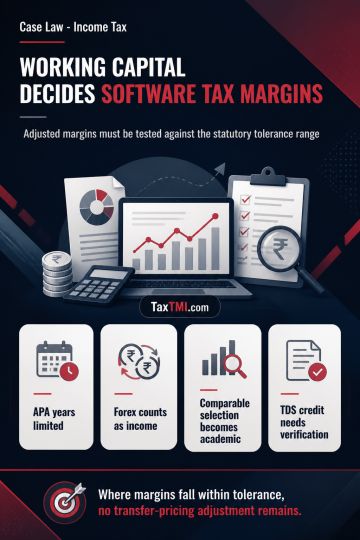
Working-capital adjustment determines whether software-services transfer-pricing margins fall within the statutory tolerance range, eliminating any ad...
Permanent establishment deductions upheld for expatriate salaries, direct costs and trading losses, while head-office costs require fresh classificati...
Data transmission equipment classification under CTSH 8517 62 remains distinct from residual classification, with exemption evidence requiring scrutin...
Writ jurisdiction was not entertained to challenge GST proceedings after the statutory appeal period had expired, because the petitioner had replied to the show cause notice and been heard, so jurisdictional error and breach of natural justice were not established. The High Court held that Article 226 cannot be used to bypass a special appellate scheme with a limited condonable period, especially in tax matters where diligence is required. In the absence of a proper explanation for delay or any patent illegality, the petition was dismissed, with liberty to proceed in accordance with law and without affecting any future appeal.
Writ jurisdiction was not entertained to challenge GST proceedings after the statutory appeal period had expired, because the petitioner had replied to the show cause notice and been heard, so jurisdictional error and breach of natural justice were not established. The High Court held that Article 226 cannot be used to bypass a special appellate scheme with a limited condonable period, especially in tax matters where diligence is required. In the absence of a proper explanation for delay or any patent illegality, the petition was dismissed, with liberty to proceed in accordance with law and without affecting any future appeal.
Note: It is a system-generated summary and is for quick reference only.
 TaxTMI
 of 4805















 Join Channel


 TaxTMI