Additional evidence in transfer pricing dispute leads to fresh examination, while tax deductions, TDS credit, fee and refund interest require verifica...
Category II AIF pass-through taxation preserves non-business income character; investment receipts cannot be reclassified without applying recognised ...
Mutual fund maturity rules require proper rollover, redemption, disclosure, and due diligence; investor gains cannot excuse regulatory breaches or pen...
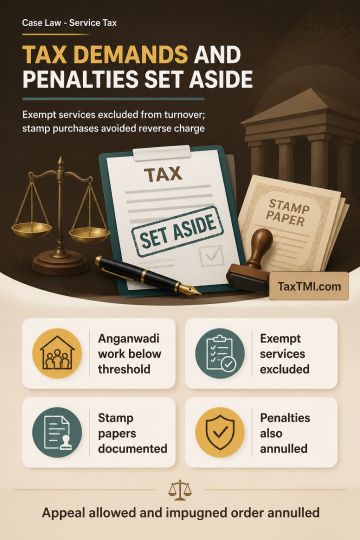
Threshold exemption excludes exempt services, while stamp-paper purchases avoid reverse charge; consequential service tax penalties were also set asid...
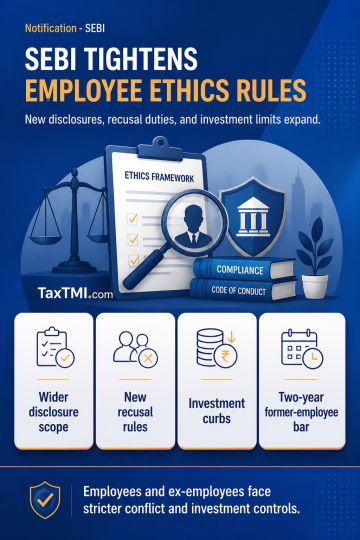
Employee conflict disclosures and investment restrictions expand with new recusal duties, post-employment limits, and compliance reporting requirement...
Equalisation levy was held inapplicable to reimbursement paid by an Indian petitioner to its overseas subsidiary for online advertising services obtained from Google USA, because the charging provisions in Sections 164 and 165 of the Finance Act, 2016 apply only to consideration for a specified service received or receivable by a non-resident from a resident in India or from a non-resident with a permanent establishment in India. The Court declined to expand the levy by inference or substance-over-form reasoning, and held that reimbursement was not part of the statutory definition. It further held that the corporate veil could not be pierced absent evidence of impropriety or a sham structure, and that survey statements had no independent probative value to fasten liability.
Equalisation levy was held inapplicable to reimbursement paid by an Indian petitioner to its overseas subsidiary for online advertising services obtained from Google USA, because the charging provisions in Sections 164 and 165 of the Finance Act, 2016 apply only to consideration for a specified service received or receivable by a non-resident from a resident in India or from a non-resident with a permanent establishment in India. The Court declined to expand the levy by inference or substance-over-form reasoning, and held that reimbursement was not part of the statutory definition. It further held that the corporate veil could not be pierced absent evidence of impropriety or a sham structure, and that survey statements had no independent probative value to fasten liability.
Note: It is a system-generated summary and is for quick reference only.
 TaxTMI
 of 4803















 Join Channel


 TaxTMI
