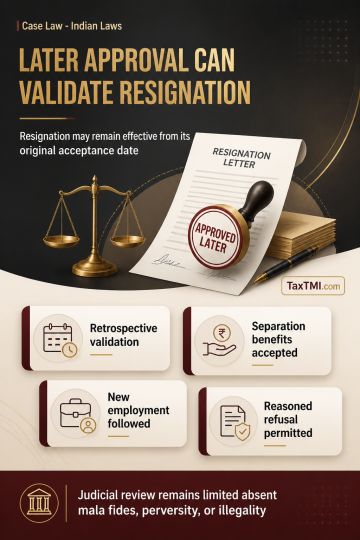
Ratification of resignation acceptance validates separation retrospectively, while withdrawal may be refused through reasoned administrative discretio...
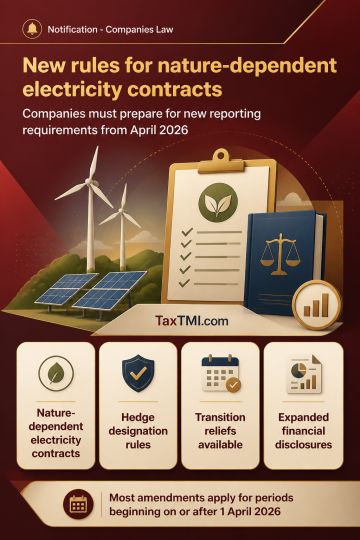
Nature-dependent electricity contracts receive new Ind AS accounting, hedge designation, transition and financial-statement disclosure requirements fr...
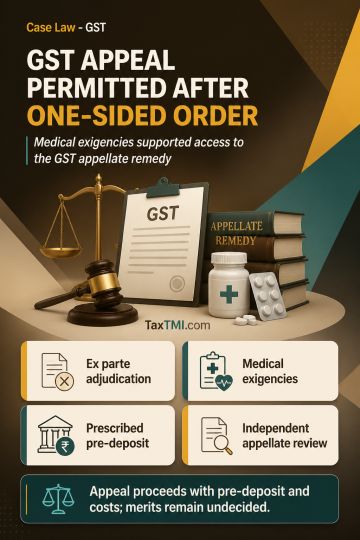
Alternative GST remedy permitted protective writ intervention for ex parte adjudication, preserving independent appellate review of input tax credit d...
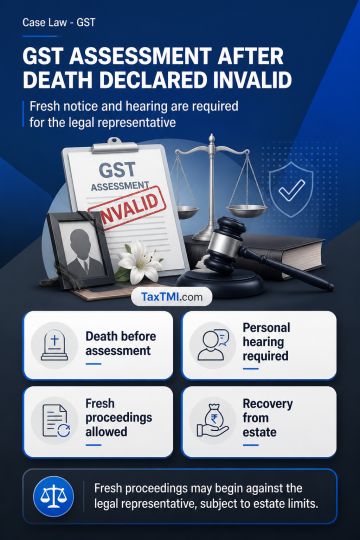
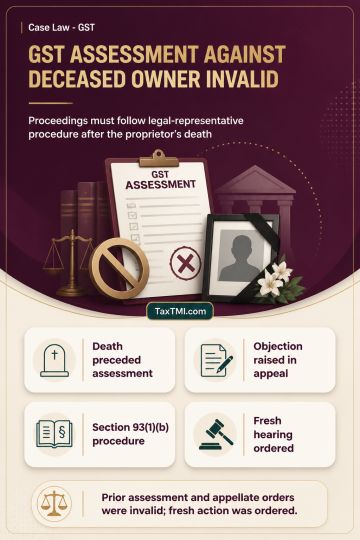
Assessment against deceased sole proprietor requires proceedings against the legal representative, rendering prior assessment and appellate orders inv...
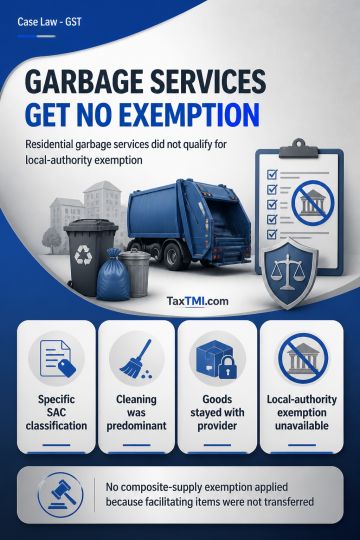
Residential waste collection classification under SAC 999423 defeats composite-supply exemption where facilitating goods are not transferred to the lo...
Equalisation levy was held inapplicable to reimbursement paid by an Indian petitioner to its overseas subsidiary for online advertising services obtained from Google USA, because the charging provisions in Sections 164 and 165 of the Finance Act, 2016 apply only to consideration for a specified service received or receivable by a non-resident from a resident in India or from a non-resident with a permanent establishment in India. The Court declined to expand the levy by inference or substance-over-form reasoning, and held that reimbursement was not part of the statutory definition. It further held that the corporate veil could not be pierced absent evidence of impropriety or a sham structure, and that survey statements had no independent probative value to fasten liability.
Equalisation levy was held inapplicable to reimbursement paid by an Indian petitioner to its overseas subsidiary for online advertising services obtained from Google USA, because the charging provisions in Sections 164 and 165 of the Finance Act, 2016 apply only to consideration for a specified service received or receivable by a non-resident from a resident in India or from a non-resident with a permanent establishment in India. The Court declined to expand the levy by inference or substance-over-form reasoning, and held that reimbursement was not part of the statutory definition. It further held that the corporate veil could not be pierced absent evidence of impropriety or a sham structure, and that survey statements had no independent probative value to fasten liability.
Note: It is a system-generated summary and is for quick reference only.
 TaxTMI
 of 4807




 Join Channel


 TaxTMI