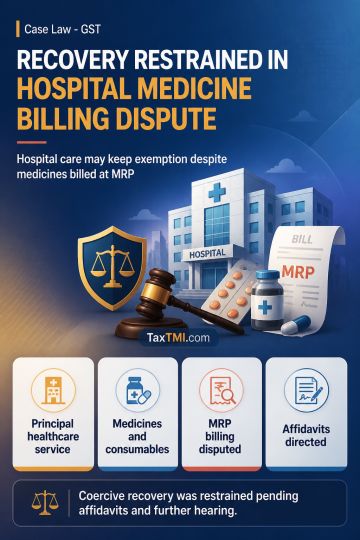
Composite inpatient healthcare supply may retain exemption despite MRP medicine billing, while separate taxable sale characterisation remains disputed...
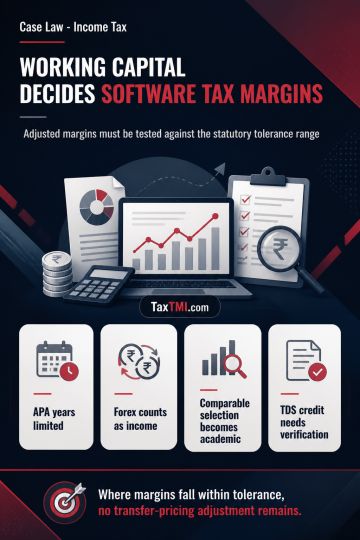
Working-capital adjustment determines whether software-services transfer-pricing margins fall within the statutory tolerance range, eliminating any ad...
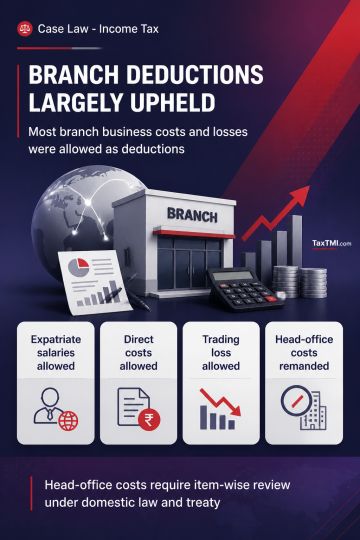
Permanent establishment deductions upheld for expatriate salaries, direct costs and trading losses, while head-office costs require fresh classificati...
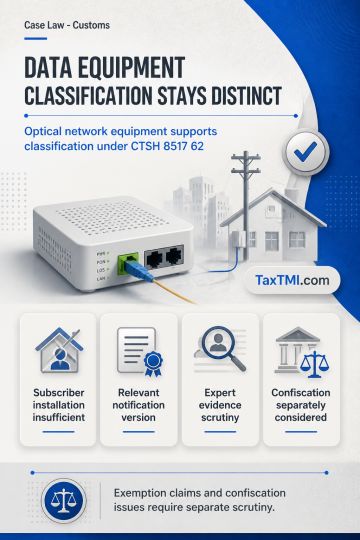
Data transmission equipment classification under CTSH 8517 62 remains distinct from residual classification, with exemption evidence requiring scrutin...
Acceptance or repayment of loans through journal entries was treated as a violation of the statutory requirement to use recognised banking modes, attracting exposure to penalty under sections 271D and 271E. The Tribunal held that immunity under section 273B is available only where the assessee proves reasonable cause, and on the facts no compelling business necessity, unavoidable circumstance, or contemporaneous material was shown to justify bypassing normal banking channels. Mere assertions of bona fides, genuineness, or convenience were found insufficient. The penalties were therefore upheld and the appeals were dismissed.
Acceptance or repayment of loans through journal entries was treated as a violation of the statutory requirement to use recognised banking modes, attracting exposure to penalty under sections 271D and 271E. The Tribunal held that immunity under section 273B is available only where the assessee proves reasonable cause, and on the facts no compelling business necessity, unavoidable circumstance, or contemporaneous material was shown to justify bypassing normal banking channels. Mere assertions of bona fides, genuineness, or convenience were found insufficient. The penalties were therefore upheld and the appeals were dismissed.
Note: It is a system-generated summary and is for quick reference only.
 TaxTMI
 of 4803








 Join Channel


 TaxTMI
