Origin Declaration authentication governs preferential tariff claims under India-UK CETA, requiring a validated reference number before import clearan...
Separate assessment orders for different years remain valid when distinct notices and hearing opportunities prevent prejudice from combined proceeding...
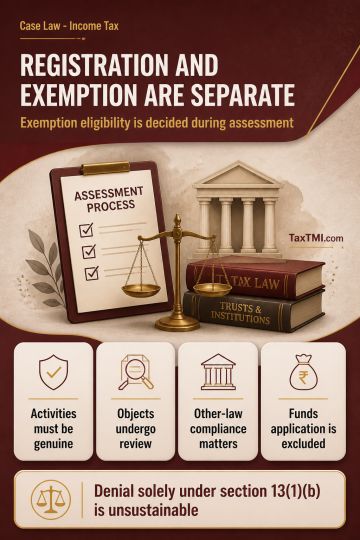
Defined public benefit can retain charitable character; registration renewal requires examining genuine activities and legal compliance, not surplus a...
Capital reduction is distinct from share buy-back, preventing buy-back tax; restructuring interest and related business deductions also survive scruti...
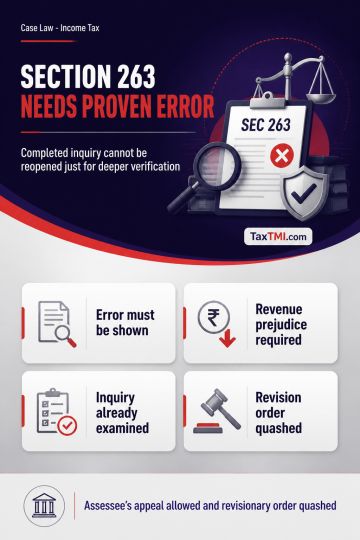
Revision under section 263 cannot be sustained on grounds not set out in the show cause notice, and the Principal Commissioner cannot introduce a fresh allegation of non-verification of expenses at the revision stage without confronting the assessee. The article also explains that a transfer of an outstanding loan balance by journal entry under a tripartite arrangement is not an actual repayment of loan, so the alleged breach of section 269T and penalty under section 271E did not arise. Where the Assessing Officer had already made enquiries and recorded the assessee's explanation, revision could not rest on a mere view that the enquiry was inadequate. In the absence of a demonstrated error causing prejudice to the Revenue, section 263 was held inapplicable.
Revision under section 263 cannot be sustained on grounds not set out in the show cause notice, and the Principal Commissioner cannot introduce a fresh allegation of non-verification of expenses at the revision stage without confronting the assessee. The article also explains that a transfer of an outstanding loan balance by journal entry under a tripartite arrangement is not an actual repayment of loan, so the alleged breach of section 269T and penalty under section 271E did not arise. Where the Assessing Officer had already made enquiries and recorded the assessee's explanation, revision could not rest on a mere view that the enquiry was inadequate. In the absence of a demonstrated error causing prejudice to the Revenue, section 263 was held inapplicable.
Note: It is a system-generated summary and is for quick reference only.
 TaxTMI
 of 4803



















 Join Channel


 TaxTMI
