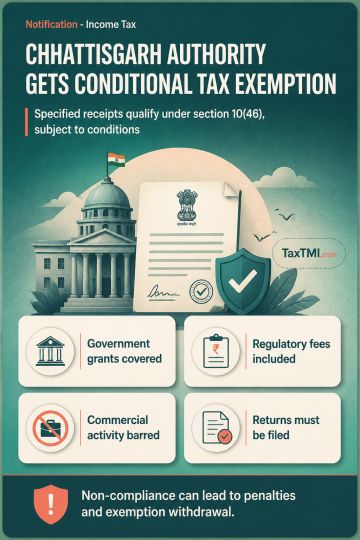
Specified regulatory authority income receives conditional tax exemption, subject to non-commercial activity, unchanged income character, and return f...
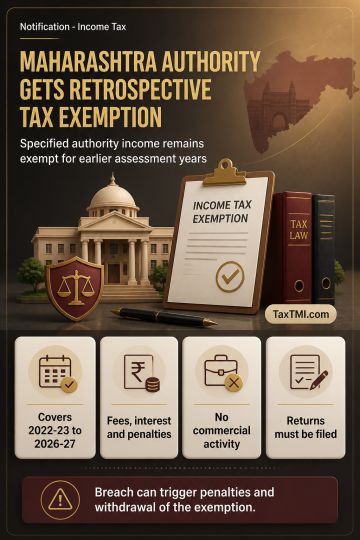
Tax exemption for regulatory authority income applies retrospectively, subject to non-commercial activity, unchanged income sources, and return-filing...
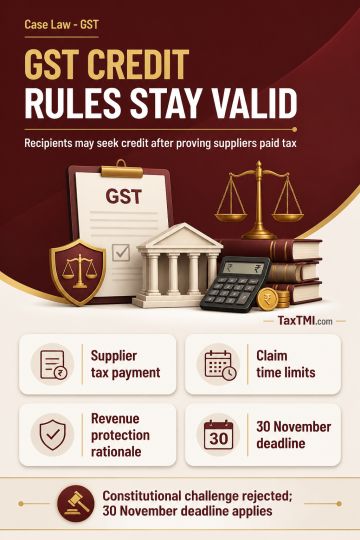
Input tax credit conditions remain constitutionally valid, with eligible recipient claims considered under GST circulars and retrospective filing dead...
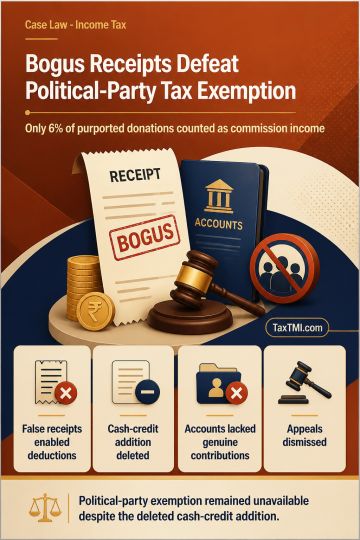
Bogus donation receipts justified commission income assessment and defeated political-party tax exemption for inaccurate accounts and reporting failur...
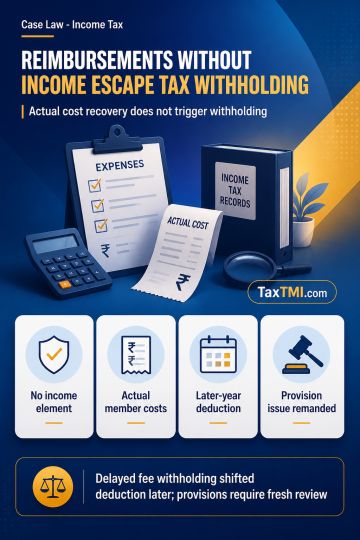
Pure reimbursement without income element escapes tax withholding, while delayed withholding and unsupported provisions face deferred or renewed scrut...
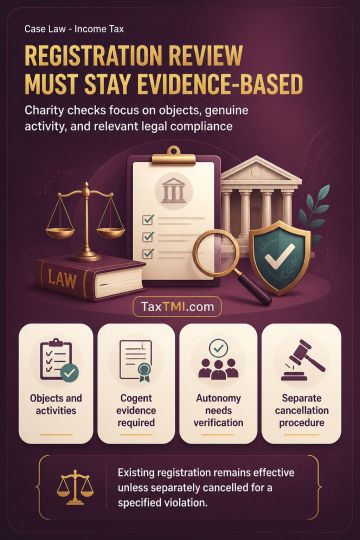
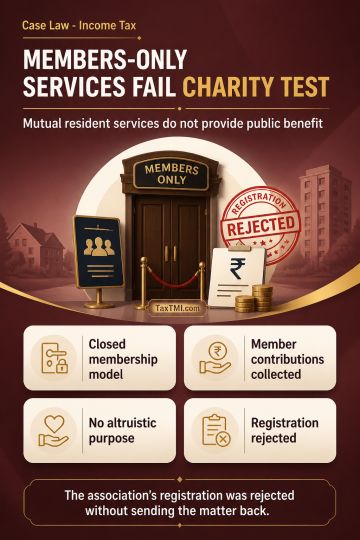
Public benefit requirement defeats charitable registration where residents' association services are reciprocal, member-only facilities governed by mu...
Revision under section 263 cannot be sustained on grounds not set out in the show cause notice, and the Principal Commissioner cannot introduce a fresh allegation of non-verification of expenses at the revision stage without confronting the assessee. The article also explains that a transfer of an outstanding loan balance by journal entry under a tripartite arrangement is not an actual repayment of loan, so the alleged breach of section 269T and penalty under section 271E did not arise. Where the Assessing Officer had already made enquiries and recorded the assessee's explanation, revision could not rest on a mere view that the enquiry was inadequate. In the absence of a demonstrated error causing prejudice to the Revenue, section 263 was held inapplicable.
Revision under section 263 cannot be sustained on grounds not set out in the show cause notice, and the Principal Commissioner cannot introduce a fresh allegation of non-verification of expenses at the revision stage without confronting the assessee. The article also explains that a transfer of an outstanding loan balance by journal entry under a tripartite arrangement is not an actual repayment of loan, so the alleged breach of section 269T and penalty under section 271E did not arise. Where the Assessing Officer had already made enquiries and recorded the assessee's explanation, revision could not rest on a mere view that the enquiry was inadequate. In the absence of a demonstrated error causing prejudice to the Revenue, section 263 was held inapplicable.
Note: It is a system-generated summary and is for quick reference only.
 TaxTMI
 of 4805



 Join Channel


 TaxTMI