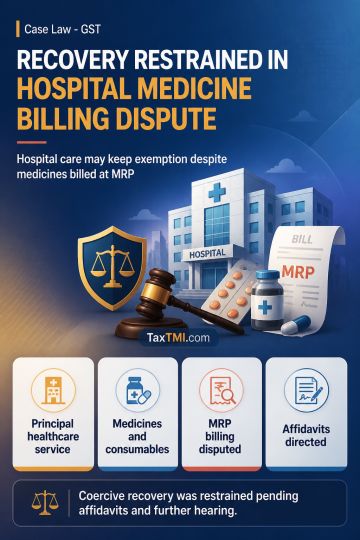
Composite inpatient healthcare supply may retain exemption despite MRP medicine billing, while separate taxable sale characterisation remains disputed...
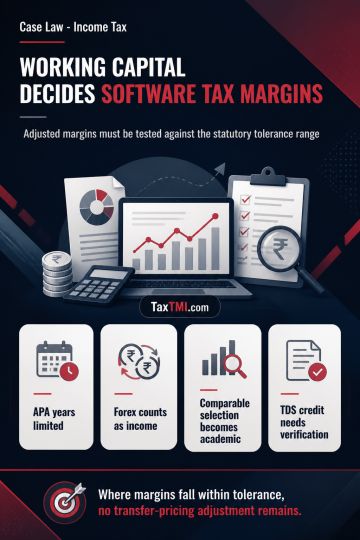
Working-capital adjustment determines whether software-services transfer-pricing margins fall within the statutory tolerance range, eliminating any ad...
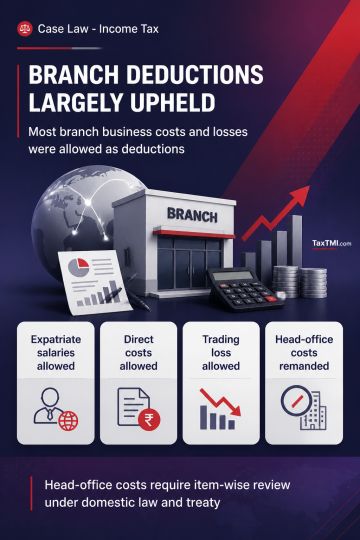
Permanent establishment deductions upheld for expatriate salaries, direct costs and trading losses, while head-office costs require fresh classificati...
Whistleblower reward received from the U.S. Securities and Exchange Commission was held taxable as income, because section 2(24) is of wide amplitude and the payment arose from arranged pursuit of whistleblower claims, legal assistance on success-fee terms, collection of material, filing of the complaint, and cooperation in the investigation. The Tribunal found a clear element of expectation and quid pro quo, so the receipt was neither gratuitous nor a windfall or capital receipt. It further held that the one-time character of the payment did not make it capital, and that the amount was at least taxable as income from other sources under section 56(1).
Whistleblower reward received from the U.S. Securities and Exchange Commission was held taxable as income, because section 2(24) is of wide amplitude and the payment arose from arranged pursuit of whistleblower claims, legal assistance on success-fee terms, collection of material, filing of the complaint, and cooperation in the investigation. The Tribunal found a clear element of expectation and quid pro quo, so the receipt was neither gratuitous nor a windfall or capital receipt. It further held that the one-time character of the payment did not make it capital, and that the amount was at least taxable as income from other sources under section 56(1).
Note: It is a system-generated summary and is for quick reference only.
 TaxTMI
 of 4805





 Join Channel


 TaxTMI
