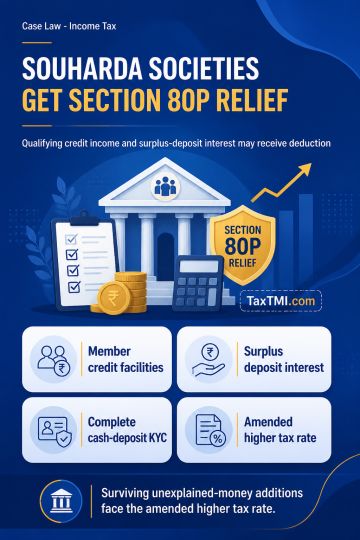
Section 80P deduction covers Souharda credit societies, including qualifying surplus-deposit interest, subject to member KYC verification for cash dep...
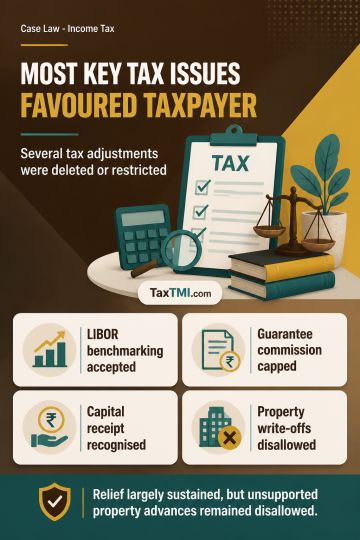
Transfer-pricing benchmarking and capital-receipt principles sustained taxpayer relief, while unsupported property-advance write-offs remained disallo...
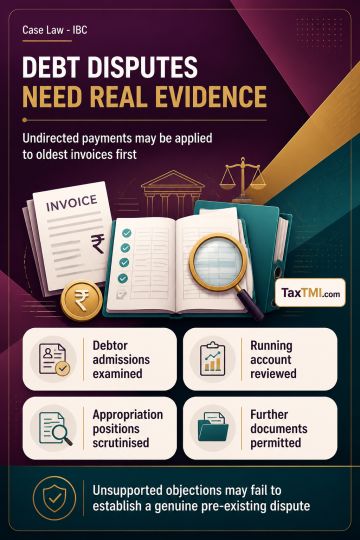
Pre-existing operational debt disputes require genuine evidence, while undirected running-account payments may be appropriated on a first-in-first-out...
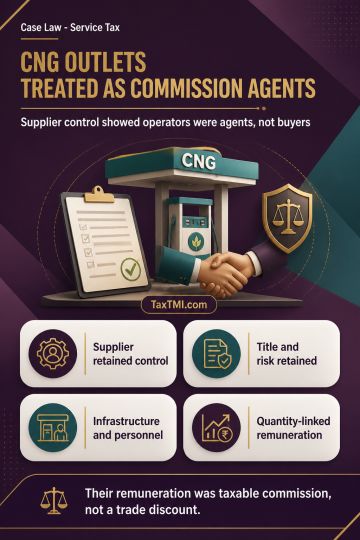
Agency in CNG distribution makes outlet operators commission agents, rendering taxable Business Auxiliary Service rather than purchasing goods for res...
Whistleblower reward received from the U.S. Securities and Exchange Commission was held taxable as income, because section 2(24) is of wide amplitude and the payment arose from arranged pursuit of whistleblower claims, legal assistance on success-fee terms, collection of material, filing of the complaint, and cooperation in the investigation. The Tribunal found a clear element of expectation and quid pro quo, so the receipt was neither gratuitous nor a windfall or capital receipt. It further held that the one-time character of the payment did not make it capital, and that the amount was at least taxable as income from other sources under section 56(1).
Whistleblower reward received from the U.S. Securities and Exchange Commission was held taxable as income, because section 2(24) is of wide amplitude and the payment arose from arranged pursuit of whistleblower claims, legal assistance on success-fee terms, collection of material, filing of the complaint, and cooperation in the investigation. The Tribunal found a clear element of expectation and quid pro quo, so the receipt was neither gratuitous nor a windfall or capital receipt. It further held that the one-time character of the payment did not make it capital, and that the amount was at least taxable as income from other sources under section 56(1).
Note: It is a system-generated summary and is for quick reference only.
 TaxTMI
 of 4805






 Join Channel


 TaxTMI