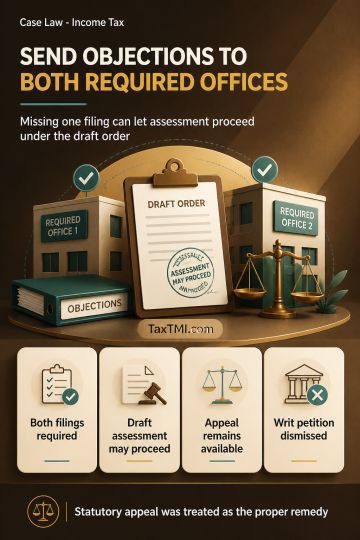
Dispute Resolution Panel objections must reach both prescribed forums; otherwise assessment may proceed and statutory appeal remains the proper remedy...
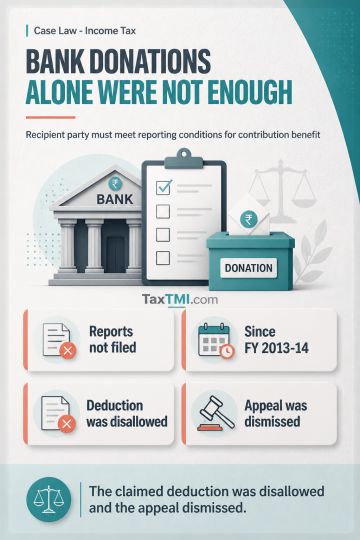
Political contribution deductions require recipient party compliance with contribution-reporting conditions; banking-channel donations alone do not qu...
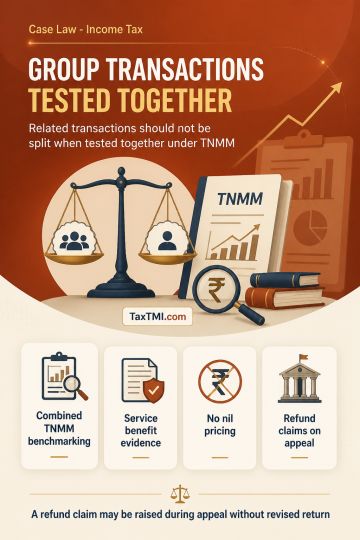
Aggregation under TNMM prevents selective testing of intra-group services without comparable uncontrolled transactions, while appellate additional cla...
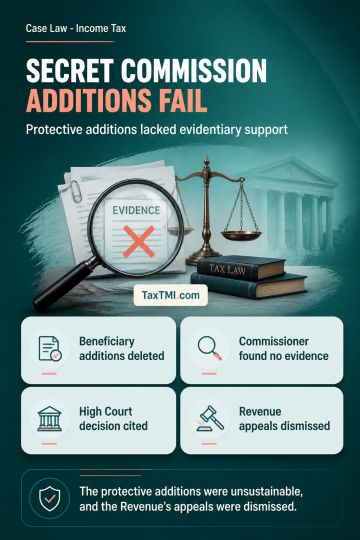
Protective assessment cannot duplicate identical receipts under competing characterisations; remote services did not establish a taxable permanent est...
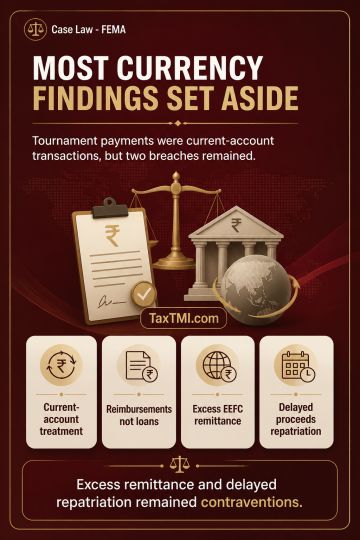
Current account treatment of overseas tournament services removed most FEMA findings, but excess EEFC remittance and delayed repatriation remained bre...
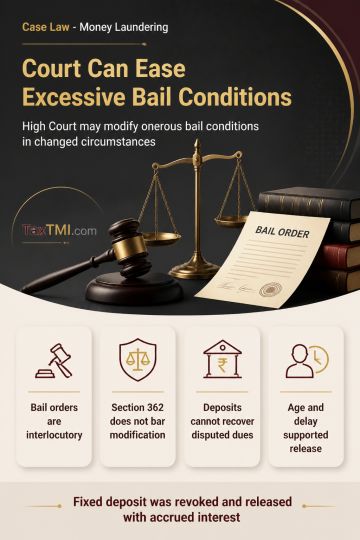
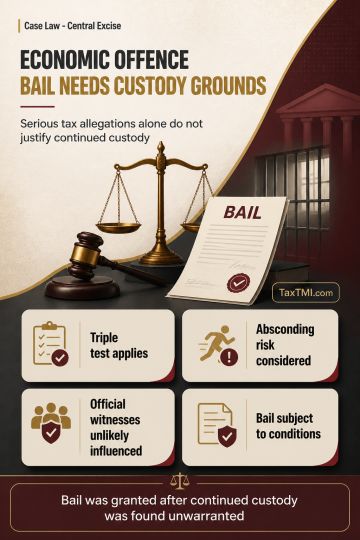
Modification of bail conditions remains available through inherent jurisdiction where onerous deposits undermine justice and cannot recover disputed d...
Whistleblower reward received from the U.S. Securities and Exchange Commission was held taxable as income, because section 2(24) is of wide amplitude and the payment arose from arranged pursuit of whistleblower claims, legal assistance on success-fee terms, collection of material, filing of the complaint, and cooperation in the investigation. The Tribunal found a clear element of expectation and quid pro quo, so the receipt was neither gratuitous nor a windfall or capital receipt. It further held that the one-time character of the payment did not make it capital, and that the amount was at least taxable as income from other sources under section 56(1).
Whistleblower reward received from the U.S. Securities and Exchange Commission was held taxable as income, because section 2(24) is of wide amplitude and the payment arose from arranged pursuit of whistleblower claims, legal assistance on success-fee terms, collection of material, filing of the complaint, and cooperation in the investigation. The Tribunal found a clear element of expectation and quid pro quo, so the receipt was neither gratuitous nor a windfall or capital receipt. It further held that the one-time character of the payment did not make it capital, and that the amount was at least taxable as income from other sources under section 56(1).
Note: It is a system-generated summary and is for quick reference only.
 TaxTMI
 of 4805










 Join Channel


 TaxTMI
