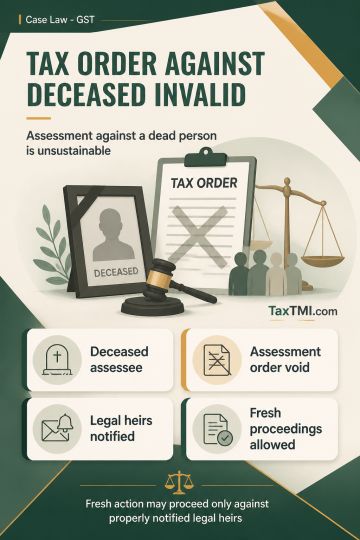
Mutual fund maturity rules require proper rollover, redemption, disclosure, and due diligence; investor gains cannot excuse regulatory breaches or pen...
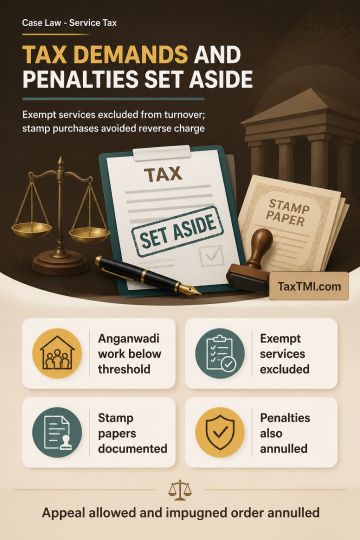
Threshold exemption excludes exempt services, while stamp-paper purchases avoid reverse charge; consequential service tax penalties were also set asid...
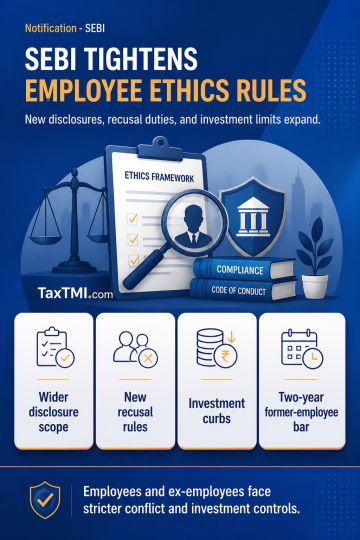
Employee conflict disclosures and investment restrictions expand with new recusal duties, post-employment limits, and compliance reporting requirement...
ITAT held that exemption under section 11 could not be denied merely because the trust earned substantial receipts from letting out its hall and auditorium. Applying the dominant purpose test, it found the assessee's real activities to be structured education, scholarships, library and research work, and welfare measures for weaker sections, with the hall receipts used for maintenance and charitable programmes. The letting activity was only incidental and ancillary to the charitable objects, with no private profit or diversion shown. The proviso to section 2(15) and section 11(4A) were held inapplicable, and the Revenue's appeal was dismissed.
ITAT held that exemption under section 11 could not be denied merely because the trust earned substantial receipts from letting out its hall and auditorium. Applying the dominant purpose test, it found the assessee's real activities to be structured education, scholarships, library and research work, and welfare measures for weaker sections, with the hall receipts used for maintenance and charitable programmes. The letting activity was only incidental and ancillary to the charitable objects, with no private profit or diversion shown. The proviso to section 2(15) and section 11(4A) were held inapplicable, and the Revenue's appeal was dismissed.
Note: It is a system-generated summary and is for quick reference only.
 TaxTMI
 of 4805





 Join Channel


 TaxTMI