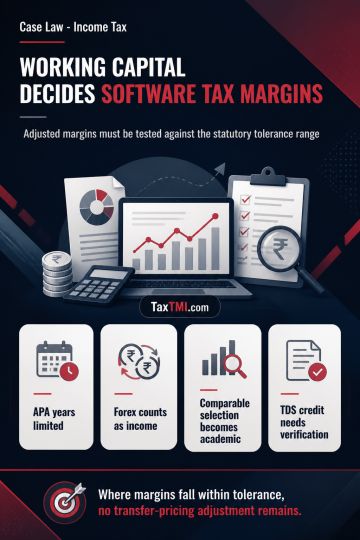
Working-capital adjustment determines whether software-services transfer-pricing margins fall within the statutory tolerance range, eliminating any ad...
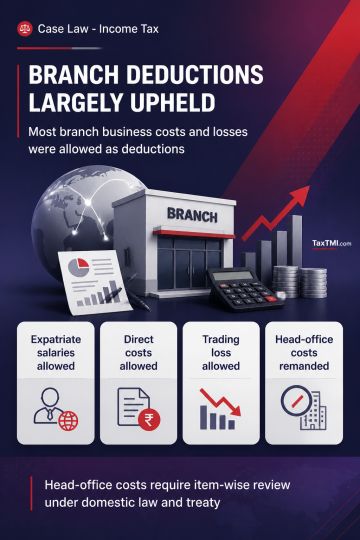
Permanent establishment deductions upheld for expatriate salaries, direct costs and trading losses, while head-office costs require fresh classificati...
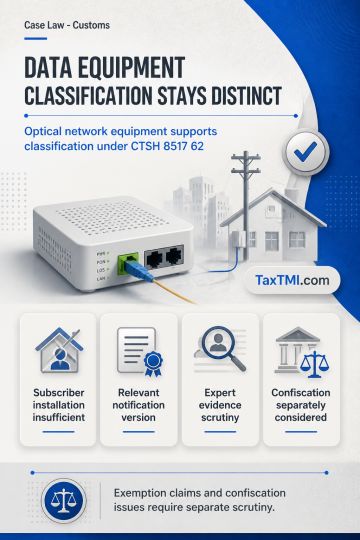
Data transmission equipment classification under CTSH 8517 62 remains distinct from residual classification, with exemption evidence requiring scrutin...
ITAT held that exemption under section 11 could not be denied merely because the trust earned substantial receipts from letting out its hall and auditorium. Applying the dominant purpose test, it found the assessee's real activities to be structured education, scholarships, library and research work, and welfare measures for weaker sections, with the hall receipts used for maintenance and charitable programmes. The letting activity was only incidental and ancillary to the charitable objects, with no private profit or diversion shown. The proviso to section 2(15) and section 11(4A) were held inapplicable, and the Revenue's appeal was dismissed.
ITAT held that exemption under section 11 could not be denied merely because the trust earned substantial receipts from letting out its hall and auditorium. Applying the dominant purpose test, it found the assessee's real activities to be structured education, scholarships, library and research work, and welfare measures for weaker sections, with the hall receipts used for maintenance and charitable programmes. The letting activity was only incidental and ancillary to the charitable objects, with no private profit or diversion shown. The proviso to section 2(15) and section 11(4A) were held inapplicable, and the Revenue's appeal was dismissed.
Note: It is a system-generated summary and is for quick reference only.
 TaxTMI
 of 4805




 Join Channel


 TaxTMI