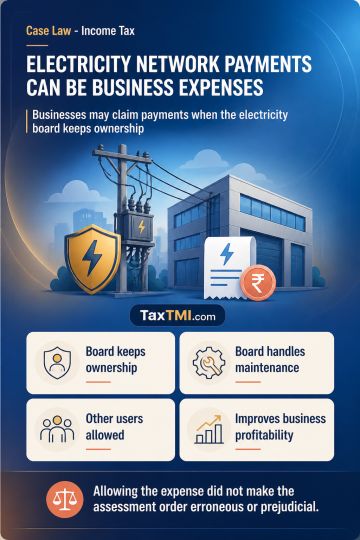
Electricity network contributions remain revenue expenditure where ownership and maintenance stay with the electricity board, supporting business prof...
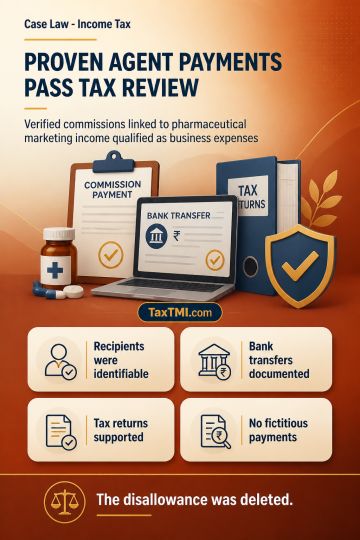
Commission expenditure linked to pharmaceutical marketing income qualifies as business deduction when recipient identity, genuineness and business pur...
ITAT held that exemption under section 11 could not be denied merely because the trust earned substantial receipts from letting out its hall and auditorium. Applying the dominant purpose test, it found the assessee's real activities to be structured education, scholarships, library and research work, and welfare measures for weaker sections, with the hall receipts used for maintenance and charitable programmes. The letting activity was only incidental and ancillary to the charitable objects, with no private profit or diversion shown. The proviso to section 2(15) and section 11(4A) were held inapplicable, and the Revenue's appeal was dismissed.
ITAT held that exemption under section 11 could not be denied merely because the trust earned substantial receipts from letting out its hall and auditorium. Applying the dominant purpose test, it found the assessee's real activities to be structured education, scholarships, library and research work, and welfare measures for weaker sections, with the hall receipts used for maintenance and charitable programmes. The letting activity was only incidental and ancillary to the charitable objects, with no private profit or diversion shown. The proviso to section 2(15) and section 11(4A) were held inapplicable, and the Revenue's appeal was dismissed.
Note: It is a system-generated summary and is for quick reference only.
 TaxTMI
  TaxTMI
 of 4811



 Join Channel


