Transaction value cannot be rejected solely on non-statutory valuation guidelines without corroborative evidence supporting reassessment of final cust...
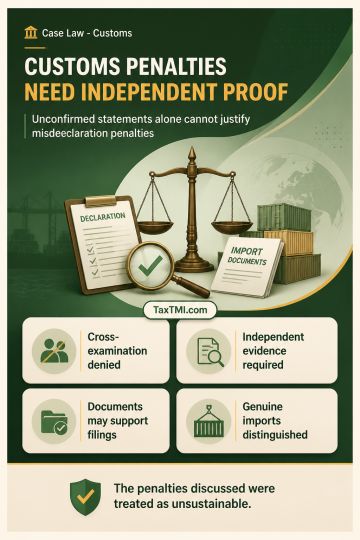
Cross-examination rights and corroborated evidence limit customs penalties for misdeclaration in genuine import transactions involving documented clea...
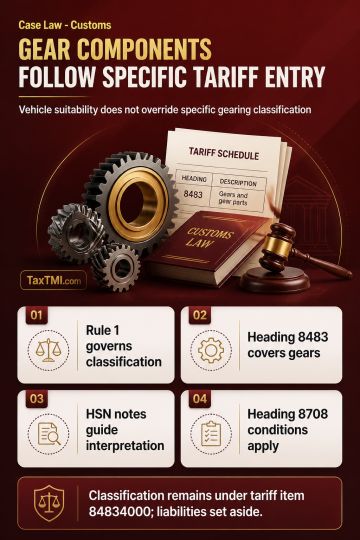
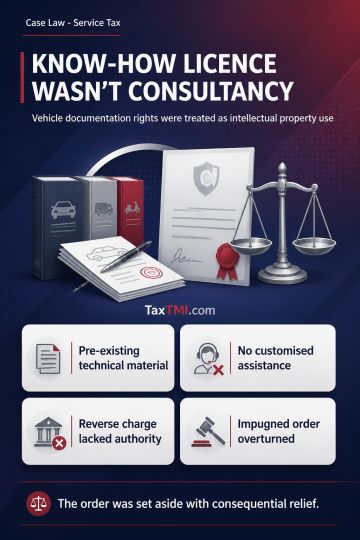
Tariff classification of vehicle gear components follows the specific gearing entry, displacing motor-vehicle parts classification and related liabili...
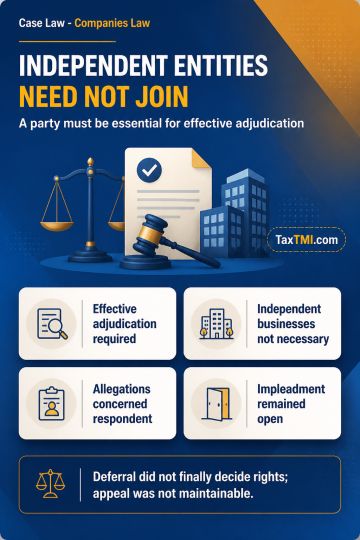
Necessary-party requirements limit impleadment of independent entities, while deferred consideration does not create an appealable adverse determinati...
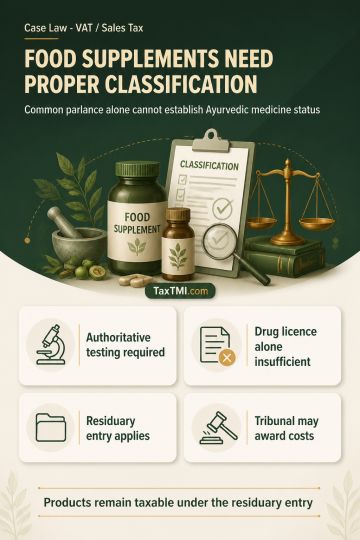
Food supplement classification requires common parlance and authoritative tests, preventing treatment as proprietary Ayurvedic medicines without suppo...
NCLAT upheld recall of the loan facilities under the material adverse effect clause, holding that the lender could contractually form the opinion that the arrest of a personal guarantor and criminal investigation were likely to affect performance, so the recall was valid. It also held that the Section 7 applications were maintainable despite a pending challenge to the arbitral award and parallel execution, because the pleaded default began on failure to repay after recall and continued thereafter; insolvency proceedings are not barred merely because recovery steps were also taken. The tribunal further held that the arbitral award gave rise to a fresh limitation period, so the application filed within three years was not time-barred.
NCLAT upheld recall of the loan facilities under the material adverse effect clause, holding that the lender could contractually form the opinion that the arrest of a personal guarantor and criminal investigation were likely to affect performance, so the recall was valid. It also held that the Section 7 applications were maintainable despite a pending challenge to the arbitral award and parallel execution, because the pleaded default began on failure to repay after recall and continued thereafter; insolvency proceedings are not barred merely because recovery steps were also taken. The tribunal further held that the arbitral award gave rise to a fresh limitation period, so the application filed within three years was not time-barred.
Note: It is a system-generated summary and is for quick reference only.
 TaxTMI
 of 4805








 Join Channel


 TaxTMI
