Origin Declaration authentication governs preferential tariff claims under India-UK CETA, requiring a validated reference number before import clearan...
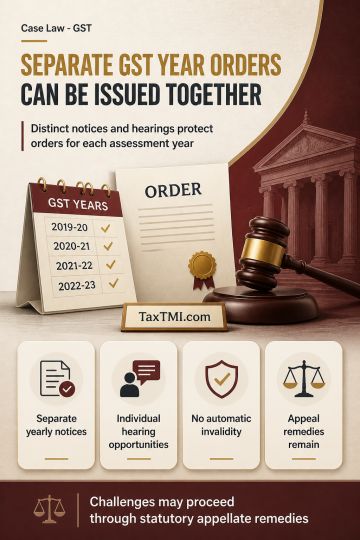
Separate assessment orders for different years remain valid when distinct notices and hearing opportunities prevent prejudice from combined proceeding...
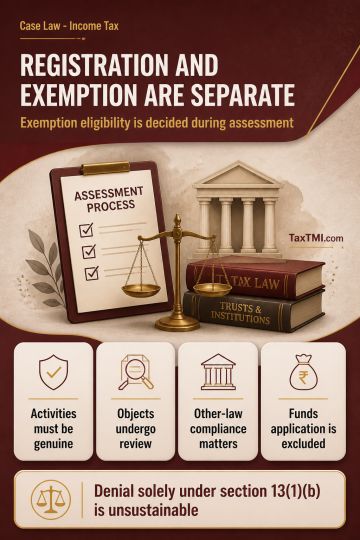
Defined public benefit can retain charitable character; registration renewal requires examining genuine activities and legal compliance, not surplus a...
Capital reduction is distinct from share buy-back, preventing buy-back tax; restructuring interest and related business deductions also survive scruti...
Unregistered profit-sharing agreements did not create any...
Unregistered profit-sharing agreements cannot justify occupation of corporate debtor premises during CIRP; repossession by the Resolution Professional upheld.
Contents
Summary
Note
Bookmark
Share
✓ Copied successfully !
Print
Print Options
For full text, please login
Login to TaxTMI
Verification Pending
The Email Id has not been verified. Click on the link we have sent on
Unregistered profit-sharing agreements did not create any leasehold or licence interest in the corporate debtor's hotel premises, so the appellant had no enforceable right to remain in possession. The Tribunal found that no valid legal basis supported occupation of the second and third floor premises, and the alleged arrangements could not defeat recovery of possession after commencement of CIRP. It further held that, once CIRP began, the Resolution Professional was entitled to take possession and control of the corporate debtor's assets, and an application before the Adjudicating Authority to recover unauthorised occupation was maintainable without separate civil proceedings. The appeal was dismissed.
Unregistered profit-sharing agreements did not create any leasehold or licence interest in the corporate debtor's hotel premises, so the appellant had no enforceable right to remain in possession. The Tribunal found that no valid legal basis supported occupation of the second and third floor premises, and the alleged arrangements could not defeat recovery of possession after commencement of CIRP. It further held that, once CIRP began, the Resolution Professional was entitled to take possession and control of the corporate debtor's assets, and an application before the Adjudicating Authority to recover unauthorised occupation was maintainable without separate civil proceedings. The appeal was dismissed.
Note: It is a system-generated summary and is for quick reference only.
 TaxTMI
 of 4803

















 Join Channel


 TaxTMI
