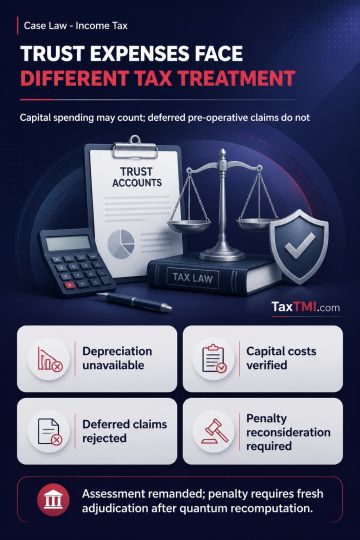
Charitable trust income application permits verified capital expenditure but rejects deferred pre-operative claims and requires reconsideration of con...
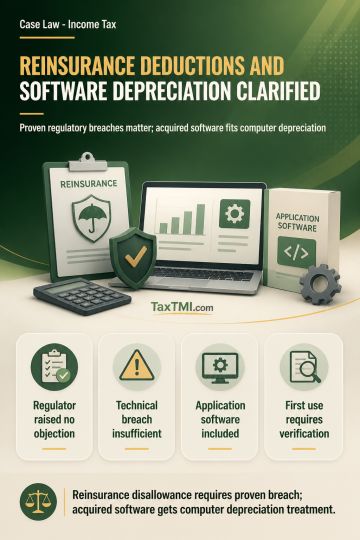
Reinsurance premium deductions require established regulatory breaches, while independently acquired software qualifies within the computer depreciati...
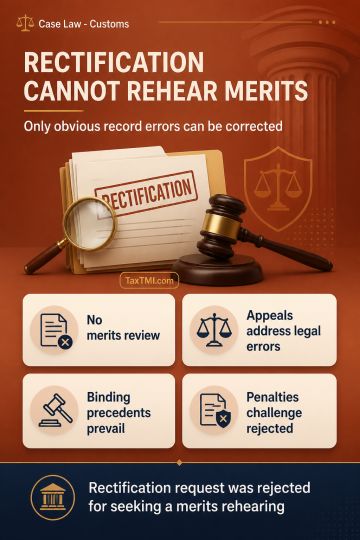
Rectification of mistake remains limited to self-evident record errors, preventing merits review through miscellaneous applications and preserving fin...
Tender creditworthiness conditions may extend to de facto Promoter Directors, with post-participation challenges generally barred absent arbitrariness...
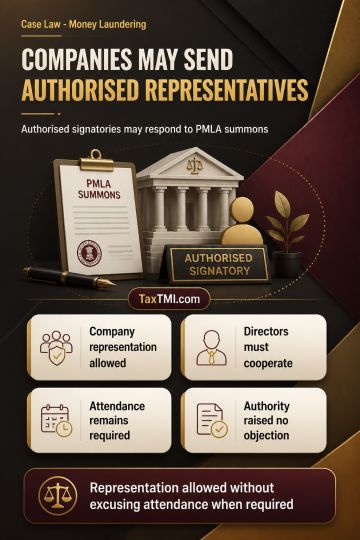
Corporate representation in PMLA summons proceedings permitted through an authorised signatory, subject to directors' continuing cooperation and atten...
Unregistered profit-sharing agreements did not create any...
Unregistered profit-sharing agreements cannot justify occupation of corporate debtor premises during CIRP; repossession by the Resolution Professional upheld.
Contents
Summary
Note
Bookmark
Share
✓ Copied successfully !
Print
Print Options
For full text, please login
Login to TaxTMI
Verification Pending
The Email Id has not been verified. Click on the link we have sent on
Unregistered profit-sharing agreements did not create any leasehold or licence interest in the corporate debtor's hotel premises, so the appellant had no enforceable right to remain in possession. The Tribunal found that no valid legal basis supported occupation of the second and third floor premises, and the alleged arrangements could not defeat recovery of possession after commencement of CIRP. It further held that, once CIRP began, the Resolution Professional was entitled to take possession and control of the corporate debtor's assets, and an application before the Adjudicating Authority to recover unauthorised occupation was maintainable without separate civil proceedings. The appeal was dismissed.
Unregistered profit-sharing agreements did not create any leasehold or licence interest in the corporate debtor's hotel premises, so the appellant had no enforceable right to remain in possession. The Tribunal found that no valid legal basis supported occupation of the second and third floor premises, and the alleged arrangements could not defeat recovery of possession after commencement of CIRP. It further held that, once CIRP began, the Resolution Professional was entitled to take possession and control of the corporate debtor's assets, and an application before the Adjudicating Authority to recover unauthorised occupation was maintainable without separate civil proceedings. The appeal was dismissed.
Note: It is a system-generated summary and is for quick reference only.
 TaxTMI
 of 4805











 Join Channel


 TaxTMI
