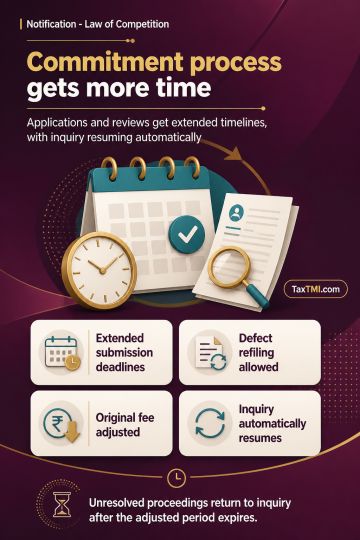
Commitment proceedings gain extended timelines, structured defect refiling, and automatic resumption of inquiry after the adjusted completion period e...
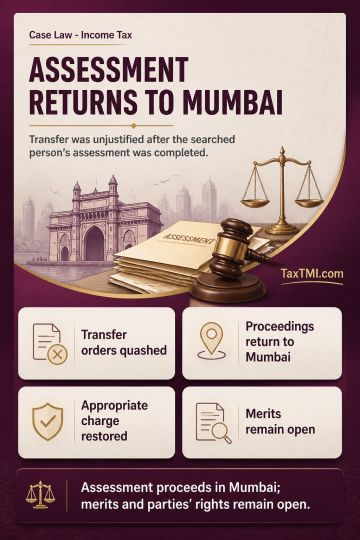
Centralised assessment transfer becomes unwarranted once the searched person's assessment is complete, requiring restoration to the appropriate charge...
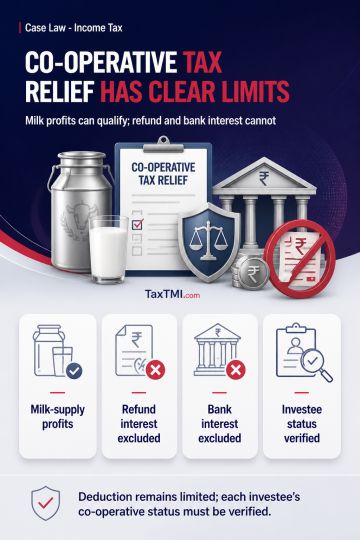
Co-operative deduction eligibility excludes refund and commercial-bank interest, while qualifying co-operative investments require entity-wise verific...
Enhanced tax rate on surrendered unexplained income applies prospectively, while cash-deposit telescoping requires verification of available surrender...
Page of 4807
Press 'Enter' after typing page number.
141 to 160 of 96140 Results
❮
❯
❯❯
0 / 200
Expand Note
Add to Folder
No Folders have been created
+
Are you sure you want to delete "My most important" ?
A renewed challenge to the implementation of an approved resolution plan was barred by res judicata and constructive res judicata because the same issues had already been raised in earlier proceedings, the plan approval had attained finality, and prior appeals had failed. The NCLAT held that the appellant could not reopen its status or quantum of dues as a secured operational creditor by filing another appeal against the same common order, and its refusal to accept the plan amount was obstructing completion of the insolvency process. It also held that an approved resolution plan must be implemented unconditionally, so post-approval liabilities cannot be added or made contingent on further clarifications. The appeal and interlocutory application were dismissed, with directions for compliance.
A renewed challenge to the implementation of an approved resolution plan was barred by res judicata and constructive res judicata because the same issues had already been raised in earlier proceedings, the plan approval had attained finality, and prior appeals had failed. The NCLAT held that the appellant could not reopen its status or quantum of dues as a secured operational creditor by filing another appeal against the same common order, and its refusal to accept the plan amount was obstructing completion of the insolvency process. It also held that an approved resolution plan must be implemented unconditionally, so post-approval liabilities cannot be added or made contingent on further clarifications. The appeal and interlocutory application were dismissed, with directions for compliance.
Note: It is a system-generated summary and is for quick reference only.
 TaxTMI
  TaxTMI
 of 4807














 Join Channel